
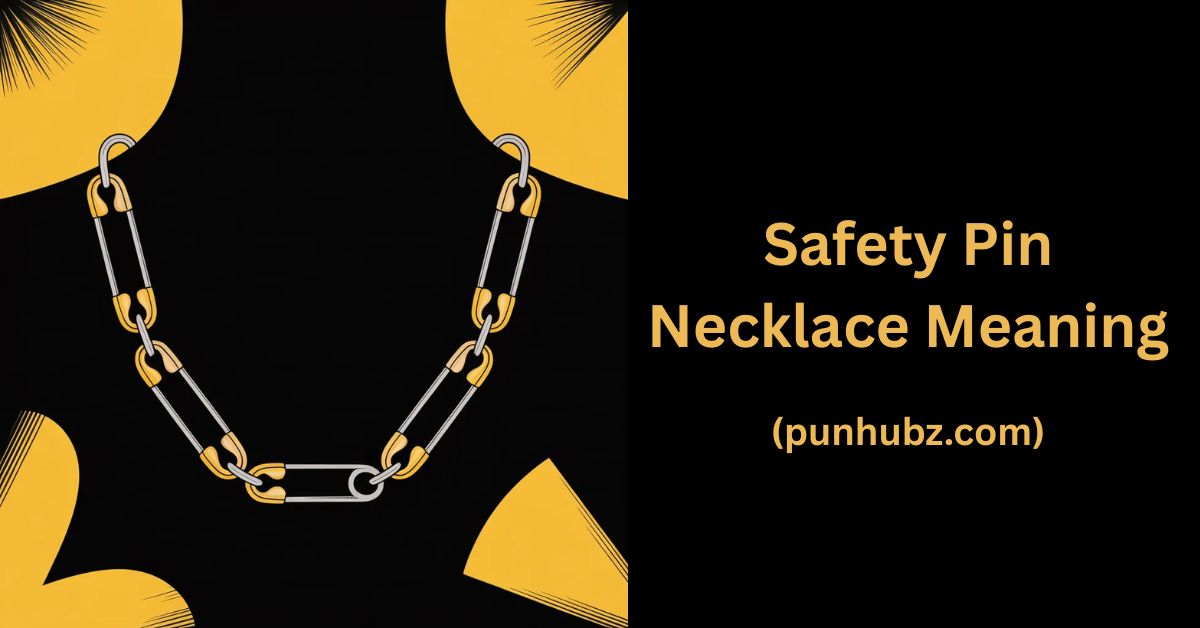
Safety pin necklace meaning goes far beyond a simple fashion accessory. Originally designed as a practical tool for fastening fabric, the safety pin transformed over decades into a powerful symbol of rebellion, solidarity, and self-expression.
From the gritty streets of 1970s punk culture to modern high-fashion runways, this unassuming piece of jewelry carries a story of defiance, creativity, and personal identity. Wearing a safety pin necklace can signal unity, courage, and individuality, while also making a bold style statement.
Understanding the safety pin necklace’s meaning helps you appreciate its cultural roots, emotional depth, and its ability to communicate messages without words.
Key Takeaways
- The safety pin necklace meaning extends far beyond fashion, rooted in history, rebellion, and social identity rather than aesthetics alone.
- Originating as a utilitarian object, the safety pin evolved into a cultural symbol through punk rock, DIY ethics, and resistance to mainstream norms.
- In punk culture, the safety pin represented defiance, economic struggle, and a rejection of polished consumer fashion.
- Over time, the necklace gained layered symbolism, including protection, unity, resilience, and emotional strength.
- In modern contexts, the safety pin has also functioned as a sign of political awareness and solidarity, particularly within social justice movements.
- Contemporary fashion has reinterpreted the safety pin necklace through luxury materials, celebrity influence, and global streetwear trends.
- Ultimately, the safety pin necklace remains a powerful example of how everyday objects can carry deep cultural, emotional, and political meaning when worn with intention.
The Origins of the Safety Pin Necklace
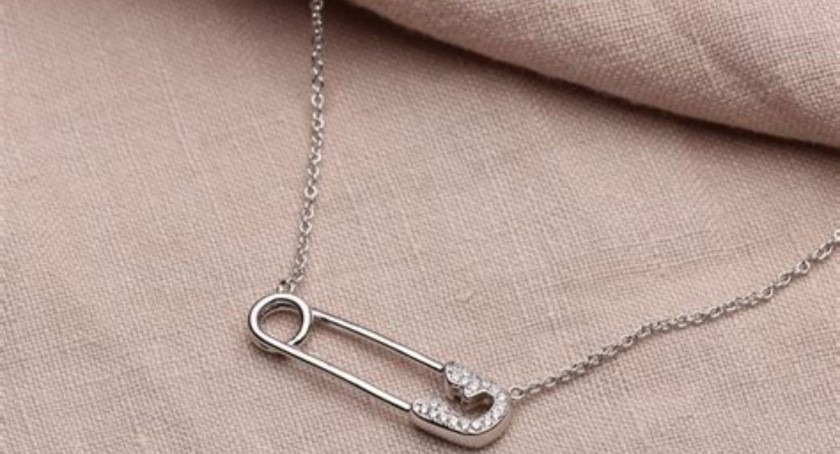
The safety pin was invented in 1849 by Walter Hunt as a simple tool for fastening fabric. For decades, it remained a practical household item. Its transformation into a necklace began when youth subcultures repurposed everyday objects to challenge fashion norms.
By the 1970s, punk culture embraced safety pins as symbols of rebellion and anti-establishment values. Worn as necklaces or on clothing, they became powerful emblems of identity, resistance, and self-expression, turning a simple utility item into a lasting cultural icon.
From Everyday Essential to Fashion Statement
Invented in 1849 by Walter Hunt, the safety pin was originally a practical tool for fastening fabric and household use. Its simplicity and accessibility later allowed it to evolve into a symbol of identity, especially within subcultures that rejected luxury as a measure of value.
Punk Rock and the Safety Pin: A Symbol of Rebellion
In the 1970s, punk culture transformed safety pins into emblems of defiance. Used in clothing, piercings, and jewelry, the safety pin necklace became a statement of independence and resistance against social norms and consumerism.
Cultural Adaptation Across the World
Globally, the safety pin necklace adapted to local styles: in Japan’s Harajuku fashion, South Korea’s K-pop, and Western high fashion. It remains a versatile symbol, combining edgy rebellion with cultural reinterpretation.
Safety Pins in Punk Culture
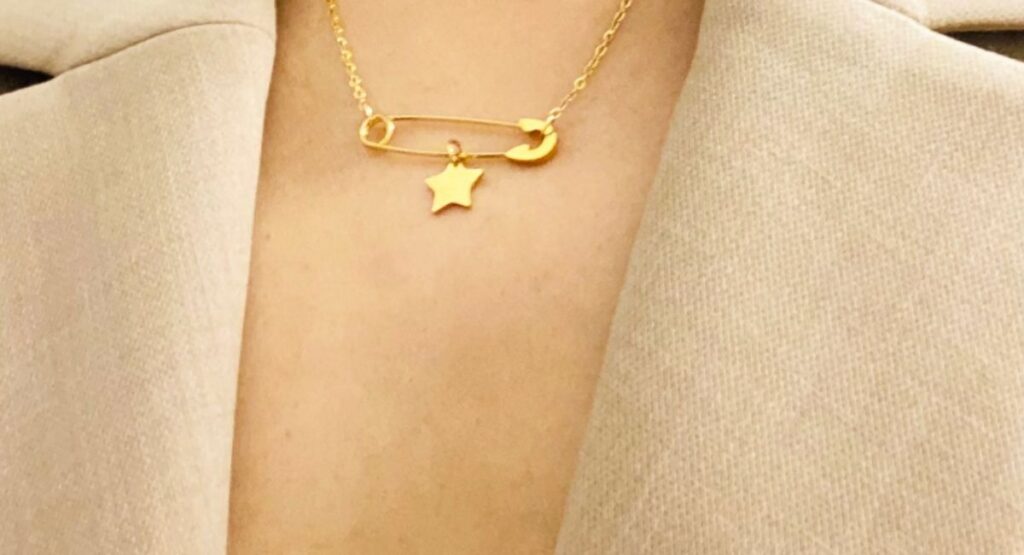
In the 1970s, punks turned safety pins into symbols of rebellion and DIY style. Worn on clothing, piercings, and necklaces, they represented defiance, individuality, and a rejection of mainstream fashion.
The Rebellious Roots
Within punk culture, the safety pin was never merely decorative. It embodied a philosophy of self-reliance, improvisation, and resistance. Punks embraced imperfection and visibility, allowing the mechanics of clothing to remain exposed rather than hidden.
The safety pin, visibly holding garments together, became a metaphor for survival within a fractured society.
This visibility mattered. Unlike luxury jewelry, which often signals status and wealth, the safety pin signaled marginality and refusal.
It communicated alignment with countercultural values and rejection of mainstream expectations.
Why Punks Embraced the Safety Pin
The appeal of the safety pin lay in its accessibility and symbolism. It was cheap, widely available, and practical. Anyone could wear it. This democratization of style aligned with punk’s anti-elitist ethos.
Moreover, the safety pin’s potential to injure when opened added an element of danger, reinforcing its confrontational message.
The safety pin necklace thus became both armor and declaration, worn close to the body as an assertion of identity.
The Symbolic Meaning of the Safety Pin Necklace
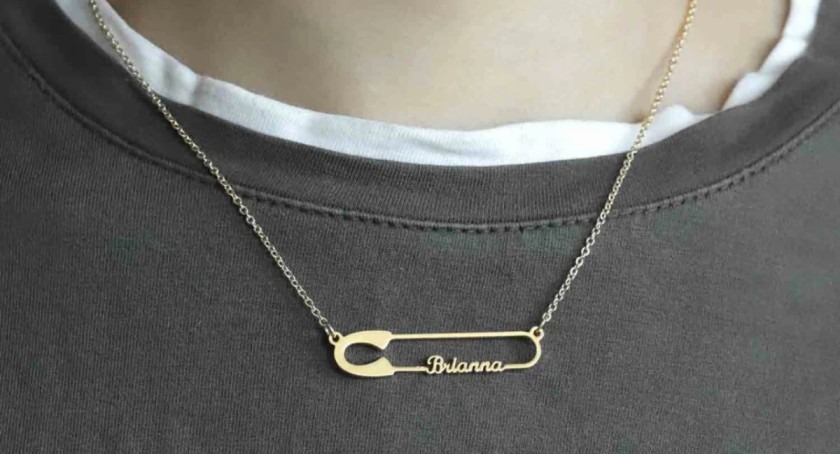
The safety pin necklace goes beyond fashion, symbolizing protection, unity, and individuality. It can represent support for marginalized communities, personal resilience, or a bold statement of nonconformity.
Worn as a reminder of strength or as a political and emotional emblem, it reflects both personal identity and broader social awareness.
A Symbol of Protection and Unity
Beyond rebellion, the safety pin has been interpreted as a symbol of protection. Its very name suggests safety and security, while its function involves holding things together.
In many cultures, safety pins have been used as protective charms, believed to ward off negative energy or bad luck, particularly when attached to children’s clothing.
In this sense, the safety pin necklace represents care, cohesion, and the desire to safeguard oneself or others.
A Political Statement
In the twenty-first century, the safety pin gained renewed political significance. Following events such as Brexit and the 2016 U.S. presidential election, safety pins were worn as quiet signals of allyship with marginalized communities.
The gesture suggested that the wearer was a safe person, someone opposed to racism, xenophobia, and discrimination.
This political meaning transformed the safety pin necklace into a subtle yet visible marker of ethical alignment. However, it also sparked debate about whether symbolic gestures without action are sufficient.
The Emotional Meaning Behind the Necklace
More recently, the safety pin has been associated with mental health awareness. Some individuals wear safety pin jewelry to signify personal struggles or a commitment to survival during periods of emotional distress.
This interpretation, while not universal, highlights how deeply personal meanings can attach themselves to objects.
Importantly, this meaning raises ethical concerns. Assuming mental health intent based on jewelry alone risks misinterpretation and stigma.
The emotional symbolism of the safety pin necklace therefore demands sensitivity and restraint.
The Safety Pin as a Statement of Solidarity
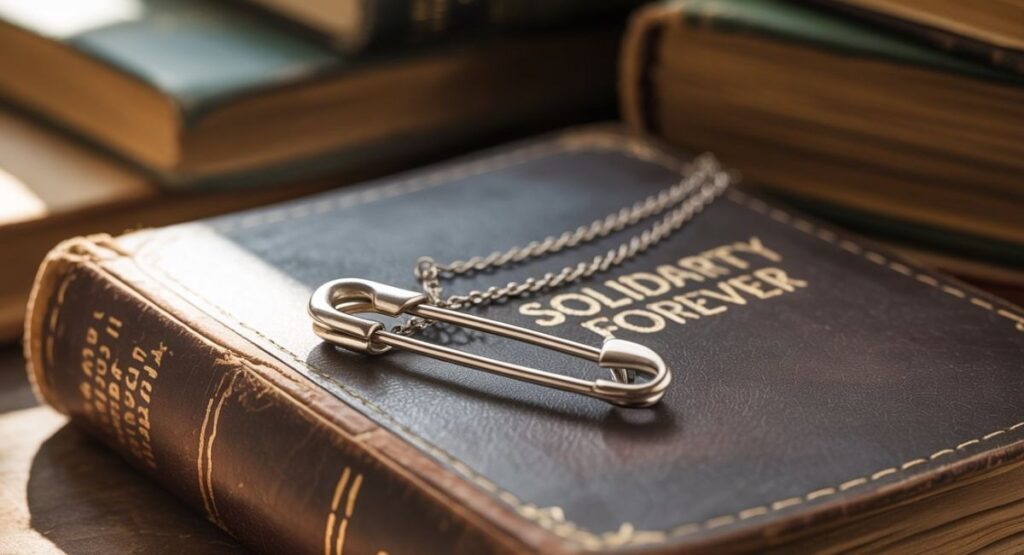
Wearing a safety pin necklace can signal support and allyship for marginalized groups. Popularized during social and political movements, it represents empathy, inclusivity, and a commitment to stand with those facing discrimination or hardship, turning a simple accessory into a quiet yet powerful gesture of solidarity.
The Evolving Meaning in Today’s Social Movements
In contemporary activism, the safety pin necklace functions as a sign of solidarity rather than confrontation. Unlike protest slogans or banners, it operates quietly, signaling awareness and support without demanding attention.
This subtlety makes it appealing in environments where overt political expression may feel risky or inappropriate.
However, critics argue that such symbolism risks becoming performative. Without accompanying action, the safety pin may function more as moral signaling than meaningful engagement. This tension highlights a central debate in modern symbolic politics.
The Safety Pin Necklace in Modern Fashion
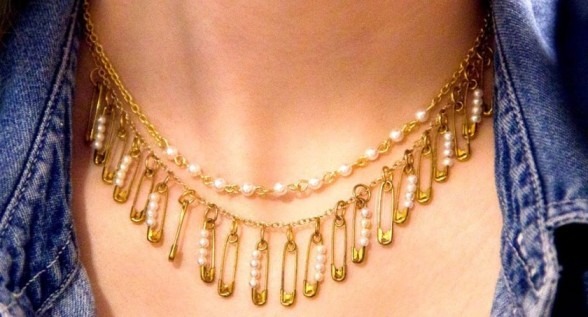
Today, the safety pin necklace blends its rebellious roots with contemporary style. Designers and celebrities have transformed it into a versatile fashion statement, appearing in streetwear, high fashion, and red carpet looks.
Modern interpretations use metals, gemstones, and layered designs, allowing the necklace to express individuality while honoring its edgy, countercultural history.
Fashion Trends and the Rise of the Safety Pin Necklace
Modern fashion has recontextualized the safety pin necklace as both edgy and elegant. Designers have incorporated safety pins into necklaces made of gold, silver, and gemstones, merging punk symbolism with craftsmanship.
This shift reflects fashion’s tendency to absorb countercultural elements and neutralize their radical potential.
Celebrity Influence and Pop Culture Moments
Celebrity adoption has played a major role in mainstreaming the safety pin necklace. When musicians and fashion icons wear safety pin jewelry, they amplify its visibility while often detaching it from its original context.
This process both preserves and transforms the symbol, allowing it to survive while altering its meaning.
From Runways to Streetwear
The safety pin necklace now exists across fashion hierarchies, from luxury runways to everyday streetwear.
Its adaptability explains its longevity. It can signify rebellion, elegance, nostalgia, or individuality depending on styling and context.
How to Style a Safety Pin Necklace
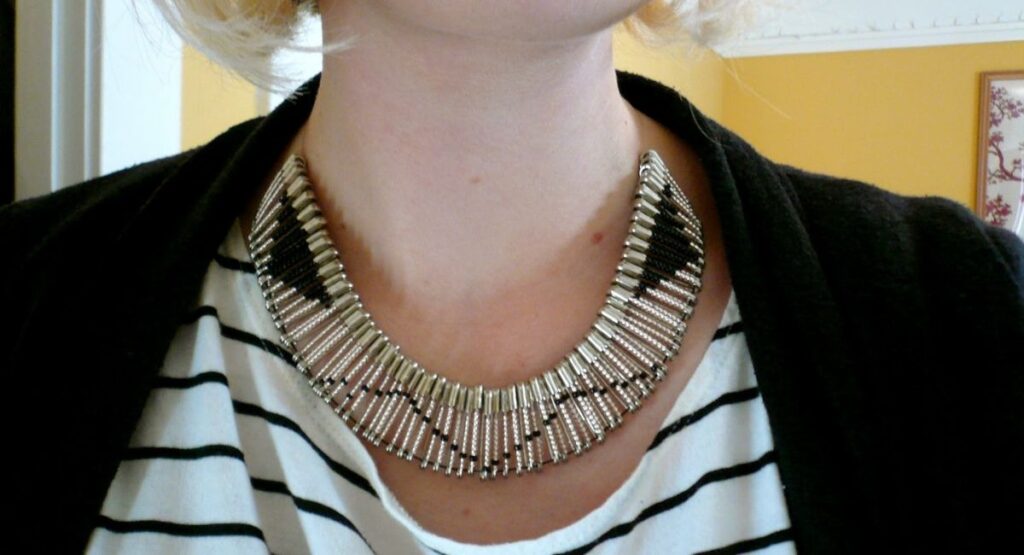
Safety pin necklaces are versatile and can complement a range of outfits. Pair a bold necklace with a simple tee and jeans for a casual, edgy look, or layer it with chains for streetwear flair.
For punk-inspired outfits, combine it with leather jackets, ripped denim, and boots. Even in polished or formal settings, a safety pin necklace can add a subtle twist—pin it to a blazer lapel or accessorize a minimalist dress to make a statement.
DIY options also let you personalize the piece with beads, charms, or mixed metals.
Styling Tips for Different Outfits
The safety pin necklace functions as a contrast piece. When paired with minimalist clothing, it draws attention through symbolism rather than excess. In layered or alternative styles, it reinforces themes of defiance and authenticity. Its effectiveness lies in restraint rather than exaggeration.
DIY Spirit: Making Your Own Safety Pin Necklace
Creating a safety pin necklace oneself reconnects the accessory to its punk origins. The DIY approach emphasizes personal meaning over commercial value and allows the wearer to reclaim agency in interpretation.
Safety Pin Trend Controversy
While safety pin necklaces are popular, they have sparked debate. Some view them as meaningful symbols of solidarity or rebellion, while others see them as superficial “slacktivism.”
Misinterpretations—linking them to mental health struggles or political statements—can also lead to controversy and misinformation.
Cultural and Political Debates
The safety pin trend has faced criticism for encouraging symbolic allyship without accountability. Scholars and activists question whether wearing such symbols substitutes for meaningful engagement.
Others raise concerns about cultural appropriation and the commercialization of resistance.These debates underscore the complexity of symbolic fashion in a media-saturated world.
Comparative Meaning of the Safety Pin Necklace
| Context | Primary Meaning | Key Debate |
| Punk Culture | Rebellion and anti-conformity | Authenticity vs commercialization |
| Political Activism | Solidarity and allyship | Action vs symbolism |
| Mental Health Awareness | Survival and resilience | Assumption and stigma |
| High Fashion | Edginess and aesthetic value | Loss of original meaning |
Expert Q&A
Q: Are safety pin necklaces suitable for sensitive skin?
A: Choose hypoallergenic metals like stainless steel or titanium to avoid irritation.
Q: Can they be worn formally?
A: Yes, they can add a subtle edge to both casual and formal outfits.
Q: How do you maintain them?
A: Clean gently with a soft cloth and store safely to preserve shape and shine.
Q: Are they safe for teens and children?
A: They’re best for teens and adults, as safety pins can pose risks for young children.
Final Thoughts
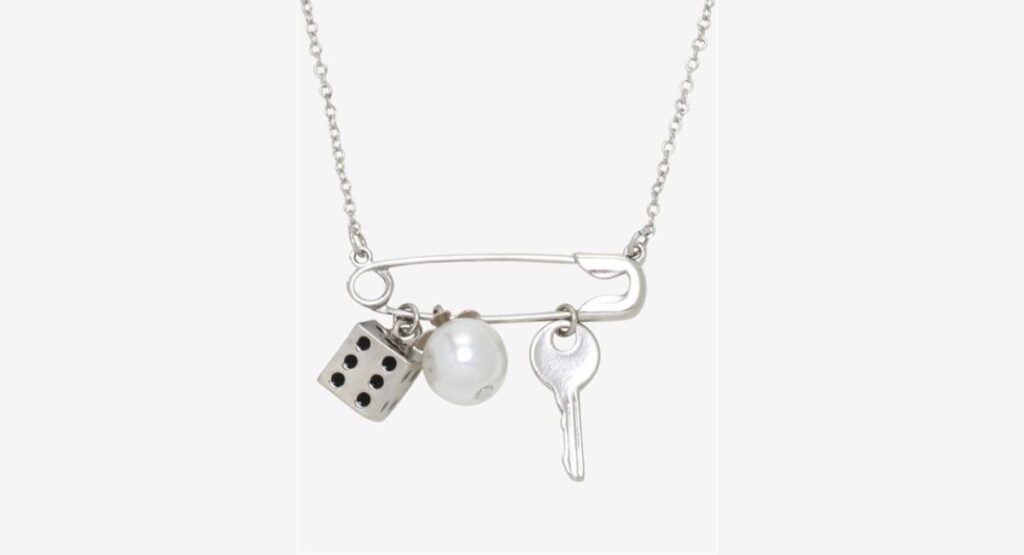
The safety pin necklace endures because it is unresolved. It resists a fixed definition, allowing each generation to reinterpret it according to its own anxieties and values. From rebellion to solidarity, from protection to fashion, its power lies in its ambiguity.
More than a fashion choice, the safety pin necklace is a reminder that even the smallest objects can carry the weight of history, identity, and social change.
FAQ’s
What does it mean to wear a safety pin necklace?
Wearing a safety pin necklace can symbolize rebellion, solidarity with marginalized groups, or simply a bold fashion statement.
What does safety pins mean in mental health?
It can represent awareness and support for mental health struggles, often signaling that the wearer is open to offering help or has overcome challenges.
What symbolizes the safety pin?
The safety pin symbolizes protection, unity, and nonconformity, carrying both cultural and political meanings.
What does a safety pin mean LGBTQ?
It signifies allyship and support for LGBTQ+ individuals, showing that the wearer stands against discrimination.
What does the safety pin necklace mean in love?
It can represent care, protection, and loyalty, indicating a desire to keep someone safe emotionally.
Why do girls wear a safety pin in their neck?
Girls may wear it as a trendy accessory, a statement of individuality, or as a symbol of solidarity and empowerment.
What is the spiritual meaning of a safety pin?
Spiritually, it’s believed to ward off negative energy and attract positive vibes, offering protection and luck.
What does a safety pin necklace mean in Korea?
In Korea, it’s often a fashion statement influenced by K-pop culture, blending edgy style with subtle symbolism.
Conclusion
The safety pin necklace meaning is a fascinating blend of history, culture, and personal expression. What began as a simple household tool evolved into a symbol of punk rebellion, a statement of solidarity, and a high-fashion accessory embraced worldwide.
Today, wearing a safety pin necklace allows individuals to showcase their uniqueness, creativity, and support for social causes, all while making a bold style statement. Its adaptability across cultures and fashion trends highlights its enduring relevance.
By understanding the safety pin necklace meaning, we can appreciate how a small, humble accessory carries powerful messages of defiance, unity, and self-expression, making it much more than just jewelry.
