
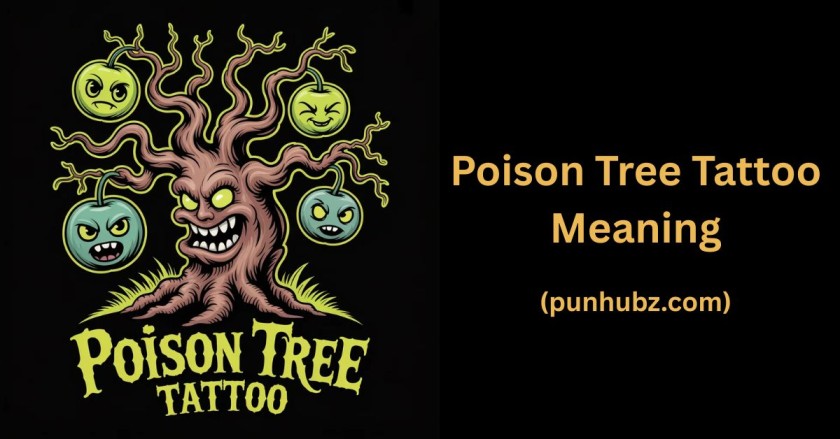
A poison tree tattoo meaning carries deep symbolism that resonates with emotions, morality, and human experiences. Inspired by William Blake’s famous poem, this tattoo often represents the consequences of suppressed anger, revenge, and unspoken feelings.
People choose this design not only for its aesthetic appeal but also for the powerful story it tells about personal growth, emotional expression, and the complexities of relationships. The imagery of a tree, sometimes with fruit, thorns, or dark colors, conveys a warning about letting negativity fester.
With its rich layers of interpretation, a poison tree tattoo’s meaning becomes a personal statement, reflecting both inner struggles and lessons learned over time.
Poison Tree: Origins and Symbolism
The poison tree as a symbol appears in literature, mythology, medicine, and cultural stories. It usually represents a dangerous secret, a suppressed feeling, or a warning about emotional or spiritual harm.
Many traditions view poisonous trees as guardians of sacred spaces. Others see them as metaphors for unchecked anger or bitterness. In psychology, the image of a toxic plant is used to describe emotions that grow when they remain unspoken.
Poison Tree Tattoo Meaning
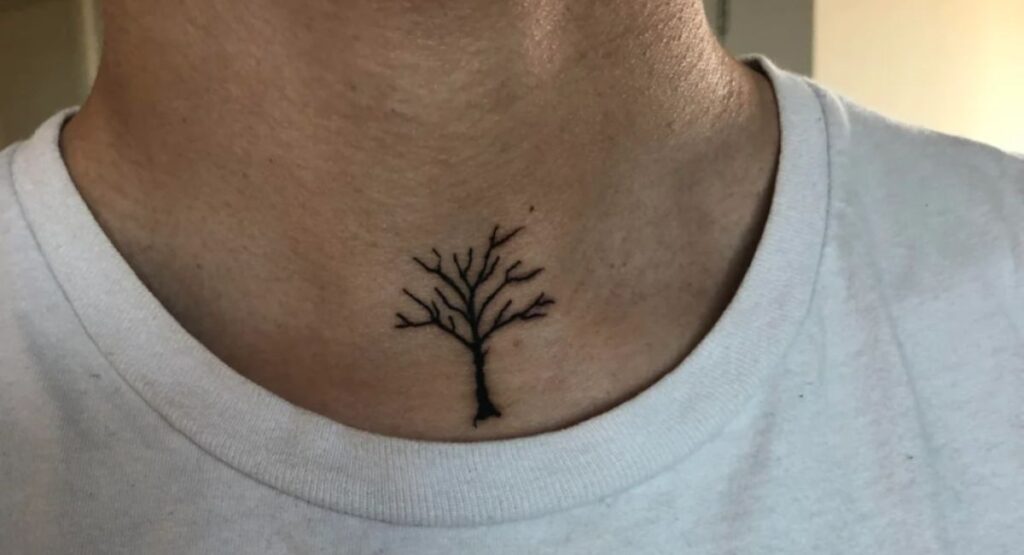
A poison tree tattoo often holds both personal and symbolic significance. The meaning depends on the wearer’s inner life, history, and intentions.
Revenge and Betrayal
People who choose this tattoo sometimes connect it with betrayal. The tree becomes a sign of what happens when anger grows in silence. It can also represent the cycle of revenge that harms both the one who gives and the one who receives it.
Growth Through Hardship
Even though the tree is poisonous, it still grows. This becomes a metaphor for someone who has survived toxic environments or painful experiences and learned from them.
The Dangers of Suppression
The tattoo reminds the wearer that hidden emotions eventually surface. It acts as a warning to be honest with oneself and others.
Appreciation of the Poetic and the Picturesque
Some people choose this motif simply because they appreciate William Blake’s poem or the haunting beauty of a dark, mysterious tree.
Transformation and Duality
A poison tree tattoo shows that someone carries both light and shadow within themselves. It reflects the duality of human nature.
Poison Tree Tattoos: A Symbol of Warning or Protection?
A poison tree tattoo often plays both roles at once. It warns others that the wearer carries intense emotions or has endured a difficult past.
At the same time, it protects the wearer by expressing those emotions instead of hiding them.
Many people treat the tattoo as a shield that keeps harmful situations and toxic individuals away.
Spiritual Meaning of the Poison Tree
Spiritually, poisonous trees can represent karmic cycles, emotional cleansing, and the removal of negative energy. In some traditions, the poison within a tree symbolizes the inner poison of resentment.
When turned into a tattoo, it becomes a reminder to stay spiritually grounded and aware of how emotions shape one’s path.
Psychological Interpretation – What Your Poison Tree Tattoo Says About You
Psychologists often describe emotional suppression through the metaphor of a growing tree. If you choose this tattoo, it might reflect a desire to understand your own patterns.
It may show that you are introspective, sensitive to emotional dynamics, or interested in personal transformation. The tattoo can also indicate that you value honesty and emotional clarity.
Biblical and Religious Connections
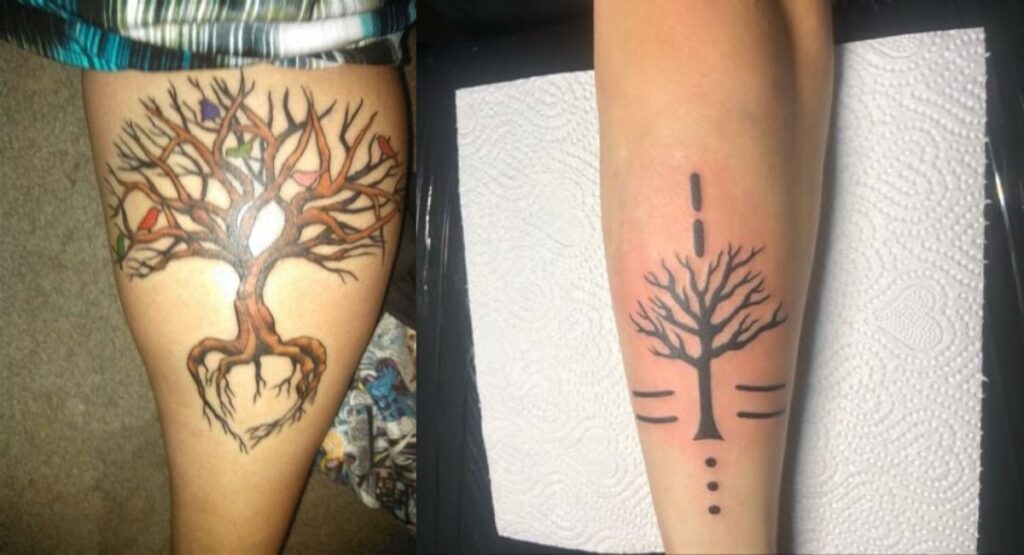
In religious symbolism, harmful plants often appear as lessons about temptation or hidden danger.
Some interpretations connect the poison tree with unresolved sin or moral conflict. Others see it as a sign of divine justice, where concealed wrongdoing grows until it becomes visible.
The Literary Foundation – William Blake’s “A Poison Tree”
William Blake’s poem is the most famous source behind the modern poison tree symbol. The poem describes anger that grows into a deadly fruit because it was not expressed.
Blake uses the tree to explore emotional repression, moral consequences, and the nature of wrath.
Symbolism and Meaning of “A Poison Tree”
- The poison tree represents hidden anger and resentment.
- Concealed emotions grow and intensify when not expressed.
- The speaker’s nurturing of anger symbolizes how suppressed feelings can become harmful.
- The tree serves as a metaphor for the mind’s darker side, showing the destructive potential of unaddressed emotions.
- The poem emphasizes that honesty and communication can prevent emotional toxicity.
One Poem, Various Interpretations
In Blake’s poem, the tree takes on multiple layers of meaning. Some readers perceive it as a spiritual warning, cautioning against the dangers of suppressed anger or revenge. Others interpret it as a psychological insight, reflecting the complexities of human desire and inner conflict.
Many see it as a symbol of tension within relationships, where unspoken emotions grow until they bear destructive fruit. Each perspective reveals a different facet of Blake’s rich, symbolic imagery.
Poison Tree Tattoos in Mythology and Folklore
Poison trees appear in various myths and folklore, symbolizing danger, forbidden knowledge, or hidden power. In Western mythology, they often warn of deceit or moral lessons, while in Norse tales, they represent dark forces and challenges.
Folktales like those featuring poison apples highlight temptation and consequences, making the tattoo a rich emblem of caution and story. Such imagery allows wearers to carry these ancient narratives and symbolic warnings in a personal, visual form.
Poison Trees in Western Mythology
In Western stories, poison trees often guard sacred or forbidden areas. They serve as warnings to outsiders, symbolizing the consequences of overstepping boundaries. These trees reflect the idea that danger can be both natural and moral.
Poison Trees in Norse Mythology
Norse myths describe trees with deadly sap marking the borders between different realms. They symbolize immense power and the peril of crossing moral or divine limits. Such trees remind people of the thin line between safety and danger.
Fairy Tales and Poison Apples
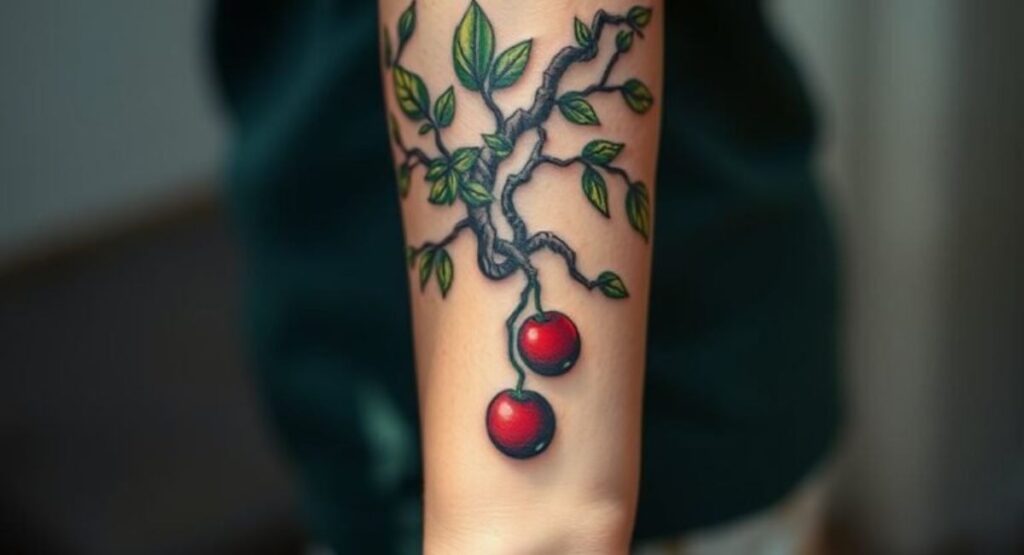
In fairy tales, poison fruit represents temptation and hidden threats. It shows that beauty can be deceptive, hiding danger beneath a pleasing surface. The poisoned apple warns of the consequences of desire and curiosity.
Nux Vomica Tree in Ancient Medicine
The nux vomica tree was valued for both its healing and toxic properties. It demonstrates that harmful things can also hold knowledge and transformative potential. Ancient medicine treated danger and cure as closely linked.
The Apple Tree in Irish Tradition
Irish stories often portray the apple tree as a source of prosperity and life. However, a poisoned apple signals deception and hidden harm. It reminds people that appearances can be misleading.
Dark Romanticism and Gothic Aesthetics
The Poison Tree perfectly embodies the mood of dark romanticism, highlighting beauty within sorrow and emotional intensity. It reflects a fascination with hidden truths and the complexity of human feelings.
Many tattoo enthusiasts pair it with Gothic imagery, such as shadowy forests and haunting landscapes. This style transforms the tattoo into a deeply atmospheric and visually striking piece.
Why Do People Choose Poison Tree Ink?
Many people choose the Poison Tree tattoo to express personal emotions and hidden feelings. It serves as a visual representation of life experiences and inner struggles.
The design allows wearers to confront or acknowledge their darker emotions artistically. It also acts as a meaningful reminder of growth, resilience, and the consequences of suppressed anger.
A Symbol of Pain and Release
This tattoo often represents the act of acknowledging past pain and consciously letting it go. It serves as a visual reminder of growth and emotional resilience.The poison tree symbolizes the pain that builds when anger and resentment are hidden.
Its growth reflects how unexpressed emotions can fester and intensify over time. At the same time, the tree’s eventual bearing of poison represents the release or consequence of suppressed feelings.
It reminds us that confronting and expressing emotions is necessary to prevent harm to ourselves and others.
What Does the Poison Tree Tattoo Most Symbolize for You?
The meaning varies for each person. Some see it as a tribute, others as a statement of strength, making it a highly personal form of expression.
Suppressed Anger and Emotional Pain
Poison Tree tattoos give form to emotions once kept hidden. They symbolize confronting and externalizing feelings of anger, resentment, or sorrow.
A Personal Healing Journey
For many, the tattoo marks recovery from hardship. It signifies emotional growth, resilience, and the journey toward self-understanding.
A Bold Statement of Self-Expression
The tattoo demonstrates courage in facing the past. It reflects an individual unafraid to showcase personal stories through art.
A Tribute to William Blake’s Poem
Literature enthusiasts often choose the design to honor Blake’s iconic poem. The tattoo embodies both artistic and literary appreciation.
Popular Poison Tree Tattoo Design Variations You Will See in American Parlors
Tattoo artists create poison tree designs in many different styles. Here are the most common variations.In American tattoo parlors, Poison Tree designs often vary from bold, detailed forearm pieces to subtle, minimalist finger or wrist tattoos.
Some feature literary-inspired imagery from Blake’s poem, while others incorporate dark elements like crows, skulls, or poisoned fruits to enhance symbolism. These variations allow wearers to express personal meaning while showcasing artistic style.
Poisoned Tree Tattoo Design Ideas

These tattoos can range from highly detailed realistic trees with twisted roots to minimalist designs with clean lines. Blake-inspired artwork captures literary symbolism, while poisonous fruits or dark, eerie elements emphasize danger and mystery. Placement should reflect the tattoo’s personal meaning and intended impact.
Realistic Poison Tree
These tattoos feature intricate details with twisted roots and textured bark, creating a lifelike, dramatic effect.
Minimalist Poison Tree
Clean, simple lines offer a subtle yet meaningful design, perfect for those who prefer understated ink.
Blake-Inspired Artwork
Designs inspired directly by William Blake’s illustrations capture the poem’s essence and literary symbolism.
Poisonous Fruits or Flowers
Focusing on toxic fruits or flowers highlights danger, temptation, and hidden threats.
Dark and Mysterious Aesthetic
Shadowy branches, eerie atmospheres, and gothic elements create a haunting, visually striking tattoo.
Choosing the Right Placement
The location should align with the tattoo’s meaning, whether for visibility, personal reflection, or symbolic impact.
10 Poison Tree Tattoo Ideas to Start Your Self-Healing Journey
- Bold poison tree on the forearm
- Minimalist poison tree on the finger
- Small back-of-the-neck design
- Spooky poison tree with roots
- Stomach poison tree for dramatic effect
- Simple forearm design
- Upper back poison tree
- Blackwork forearm version
- Minimalist body art on the ribs
- Shoulder blade healing tree
Ideal Poison Tree Tattoo Placements
Different placements carry different emotional messages. The ideal placements highlight both visibility and personal significance. Forearms, upper back, and ribs are popular choices, offering a balance of display and privacy.
Each area can enhance the tattoo’s symbolic impact, reflecting strength, healing, or personal expression.
Common Placements
| Placement | Symbolic Meaning |
| Forearm | Visibility and honesty |
| Back | Secrets, personal history |
| Chest | Emotional depth |
| Neck | Warning or self-protection |
| Ribcage | Vulnerability and transformation |
Placement Ideas That Enhance Your Poison Tree Tattoo’s Symbolic Power
Choosing the right placement can amplify the symbolic meaning of your Poison Tree tattoo. A visible, front-facing area like the forearm or chest communicates strength, resilience, and a willingness to share your story with the world.
Conversely, a hidden location such as the upper back, ribs, or behind the ear allows the design to remain personal and intimate, reflecting private growth, healing, or emotions. Aligning placement with your intention ensures the tattoo resonates both visually and emotionally.
Color Symbolism in Poison Tree Tattoos – From Black Ink to Vibrant Reds
Many tattoo enthusiasts enhance the Poison Tree design by incorporating complementary elements such as ravens, skulls, snakes, apples, or moons. Each added symbol shifts the meaning slightly, allowing for a more personalized or dramatic expression.
These combinations can reflect themes like mortality, transformation, or mystical protection, making the tattoo more visually striking and symbolically rich. Choosing the right elements ensures your tattoo tells a story unique to you.
Time to Tattoo
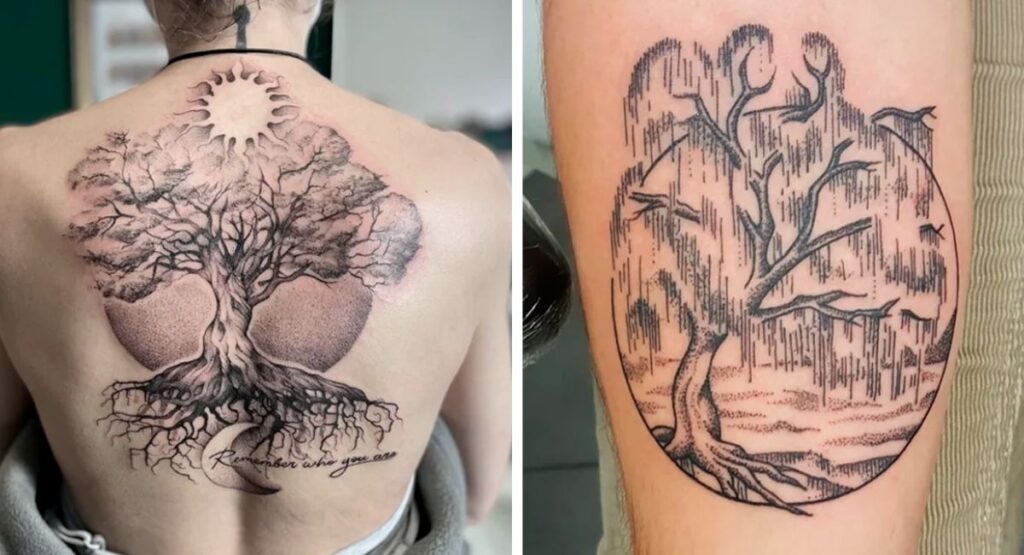
The duration of a Poison Tree tattoo largely depends on its size, complexity, and level of detail. Smaller, minimalist designs may take just an hour or two, while larger, intricate pieces with shading, roots, and additional symbols can require multiple sessions.
Planning your time realistically ensures a smooth tattooing experience and allows the artist to work carefully on the fine details.
Pain Level
Pain levels for Poison Tree tattoos vary according to placement and detail. Areas with thinner skin, like the wrist, ribs, or fingers, tend to be more sensitive, while areas with more flesh, such as the upper arm or back, may feel less intense.
Intricate branch work and fine lines can also increase discomfort, but most people find the experience manageable with short breaks.
Healing Time
Typically, a Poison Tree tattoo takes about two to four weeks to heal fully, though larger or more detailed tattoos may need additional time. Proper healing includes avoiding picking at scabs, limiting sun exposure, and following aftercare instructions closely.
Patience during this period ensures the tattoo retains its clarity, color, and detail for years to come.
Aftercare and Longevity
To maintain the vibrancy and detail of your Poison Tree tattoo, daily moisturizing and keeping the area clean are essential. Avoid prolonged sun exposure and harsh chemicals that could fade the ink.
With proper care, including occasional touch-ups, your tattoo can remain sharp, meaningful, and visually striking for decades.
Cost Considerations and Time Investment for Detailed Poison Tree Tattoos
Detailed blackwork or realistic designs can require multiple sessions and cost more due to shading and texture.When selecting the perfect artist for your Poison Tree tattoo, consider the following key factors to ensure your vision comes to life safely and beautifully:
| Criteria | Details / Tips |
| Portfolio | Review past work for tree designs, blackwork, gothic or minimalist styles. |
| Artistic Style | Ensure the artist’s style matches your vision—realistic, abstract, or symbolic. |
| Reviews & Reputation | Check client feedback for professionalism, hygiene, and skill. |
| Consultation | Discuss placement, size, and colors; assess communication and comfort. |
| Specialization | Look for artists experienced in botanical or literary-inspired tattoos. |
| Trust & Comfort | Choose an artist you feel confident in, ensuring a safe and meaningful tattoo. |
Cultural Sensitivity and Appropriation Concerns with Tree Symbolism
Most poison tree symbols are universal, but some trees hold sacred value in certain cultures. It is helpful to learn the cultural context of any symbol you incorporate.
- Understand the Origins – Many tree symbols, like the Bodhi tree or Yggdrasil, carry deep cultural or religious significance. Research their meaning before inking.
- Avoid Stereotypes – Don’t reduce a culture’s symbolism to a decorative motif; respect its spiritual or historical context.
- Consult Experts – If unsure, seek guidance from cultural representatives or tattoo artists familiar with the tradition.
- Adapt Respectfully – It’s possible to honor cultural symbolism without copying sacred imagery directly.
- Educate Yourself – Understanding the stories and values behind tree symbols helps you make informed and respectful choices.
Respectful tattooing ensures that art remains meaningful without causing offense or misrepresentation.
Alternative Symbolic Trees in Tattoo Art – When Poison Trees Aren’t Right for You
- Oak Tree – Represents strength, endurance, and stability. Works well on the forearm or back.
- Willow Tree – Symbolizes emotional healing, resilience, and flexibility. Ideal for minimalist or flowing designs.
- Cherry Blossom Tree – Signifies life’s fleeting moments, renewal, and hope. Common on shoulder, ribs, or upper arm.
- Banyan Tree – Stands for wisdom, groundedness, and long-term growth. Great for detailed, artistic tattoos.
- Palm Tree – Reflects freedom, reinvention, and starting fresh. Perfect for a lighter, uplifting design.
- Celtic Tree of Life – Represents balance, interconnectedness, and life’s cycles. Visually striking with cultural symbolism.
These options offer meaningful alternatives for those who prefer positive, uplifting, or spiritual symbolism over the darker themes of a poison tree tattoo.
Celebrity Poison Tree Tattoos and Pop Culture Influence

Poison tree tattoos have gained attention through celebrities who favor dark, symbolic tree designs during major life transitions. While few openly label theirs as a “poison tree,” many choose twisted branches, shadowed fruit, or stark blackwork to express emotional struggle or transformation. These choices shape public perception and make the design more popular.
Films, music videos, and graphic novels also use poison-tree imagery to show hidden anger, betrayal, or rebirth. Social media artists further amplify the trend with gothic botanical styles that inspire viewers to explore similar tattoos.
Together, these cultural influences have turned the poison tree tattoo into a recognizable symbol of depth, resilience, and personal storytelling.
Create Your Professional Tattoo Designs in Seconds
Designing a poison tree tattoo no longer requires hours of sketching or multiple appointments. Modern digital tools allow you to create polished artwork within seconds. These platforms let you choose tree shapes, branch styles, shading techniques, and symbolic elements such as apples, ravens, or roots.
You can adjust color, size, and placement to see how the tattoo will look on different parts of the body. This helps you refine the idea before taking it to your artist. The final design becomes a clear visual reference that guides the tattooing process and ensures the artwork matches your vision exactly.
FAQ’s
What does a poison tree tattoo mean?
It represents suppressed anger, revenge, and hidden emotions.
What does a Poison Tree symbolize?
It symbolizes the dangers of unexpressed feelings and bitterness.
What does a poison tattoo mean?
It signifies toxicity, warning, or destructive emotions.
What does a tree tattoo signify?
It often symbolizes growth, life, and personal transformation.
What tattoo means killer?
Designs like skulls or dark trees can symbolize danger or death.
What does “wrath” mean in “A Poison Tree”?
It refers to anger that is nurtured and hidden.
What is the “tree” a metaphor for?
The tree is a metaphor for growing anger or resentment.
What is the message of killing a tree?
It warns about the consequences of letting negative emotions fester.
What is the metaphor of A Poison Tree?
It represents how suppressed anger can lead to destruction.
What is the story behind the Poison Tree?
It narrates how unspoken anger can grow and cause harm.
What is the symbolic meaning of the poem “The Tree”?
It reflects moral lessons about honesty, anger, and revenge.
What does the poison tree tattoo mean in the Bible?
It symbolizes sin, hidden malice, and spiritual warning.
Conclusion
In conclusion, the poison tree tattoo meaning goes beyond a simple design, serving as a profound reflection of human emotions and experiences. It symbolizes the consequences of hidden anger, unresolved conflict, and the impact of suppressed feelings on oneself and others.
This tattoo allows individuals to express their personal journey, lessons learned, and the complexities of their relationships in a visual and meaningful way.
Whether chosen for its striking imagery or its deeper message, the poison tree tattoo’s meaning reminds us of the importance of emotional honesty and self-awareness. Ultimately, it stands as both a warning and a symbol of personal growth.
