
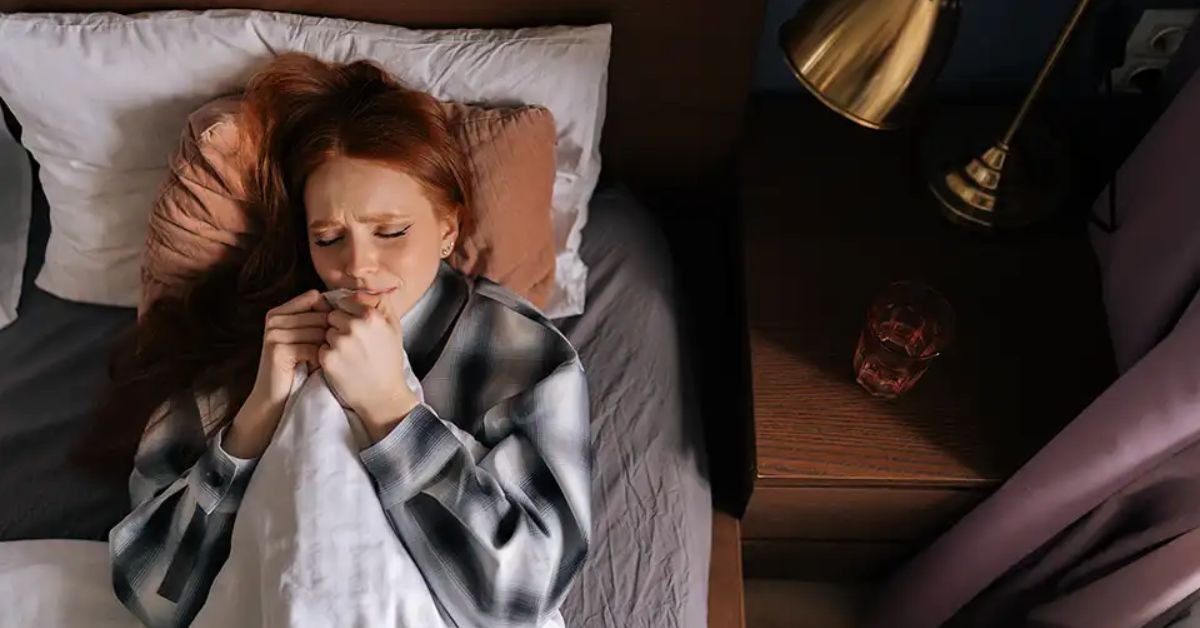
A fever can turn an ordinary night into something strange and unforgettable. One moment you are asleep under a blanket. The next moment your brain creates melting walls, endless hallways, giant insects, or confusing loops that feel painfully real.
These are called vivid fever dreams, and they often happen when your body fights illness.Many people wonder, “What is a fever dream?” The answer is surprisingly simple. A fever dream is an intense and unusual dream linked to a high body temperature. Scientists believe fever changes brain activity during sleep.
As a result, people experience strange dreams during fever, emotional confusion, and disturbing mental images. Some people even report fever, hallucinations and dreams together during severe illness.
Key Takeaways
- What is a fever dream? It is a vivid and intense dream caused by fever and illness.
- Vivid fever dreams often feel strange, emotional, and frightening.
- The main causes of fever dreams include high body temperature and disrupted sleep.
- REM sleep fever dreams become more common when fever affects brain activity.
- Many people experience strange dreams during fever with fear, confusion, or repetition.
- Fever and nightmares may feel similar, but fever dreams are linked to illness.
- Common fever dreams symptoms include distorted spaces, panic, overheating, and vivid imagery.
- Severe fever may sometimes cause fever hallucinations and dreams while awake.
- Hydration, rest, and fever control may reduce sleep disturbances from fever.
- Seek medical help if fever includes confusion, seizures, or trouble breathing.
What Is a Fever Dream?
A fever dream is a vivid and emotionally intense dream that happens while your body temperature rises during illness. These dreams feel stronger than ordinary dreams. They often seem chaotic, stressful, and deeply realistic. Many people remember their fever dream experiences for years because the emotions feel so powerful.
Doctors and sleep researchers believe REM sleep fever dreams happen because fever disrupts normal brain activity. During REM sleep, your brain stays active while your body rests. When illness enters the picture, your brain may struggle to process emotions, memories, and physical discomfort normally. That is why intense dreams with fever often feel surreal and unsettling.
| Quick Facts About Fever Dreams | Details |
| Common During | Flu, infections, viral fever |
| Main Cause | High body temperature |
| Sleep Stage | REM sleep |
| Common Feelings | Fear, confusion, panic |
| Dream Style | Vivid, repetitive, bizarre |
| Usually Dangerous? | No, unless severe symptoms appear |
When Do Fever Dreams Occur?
Fever dreams usually appear during illnesses that raise body temperature above normal levels. The flu, COVID-19, infections, and severe colds commonly trigger these dreams. Many people notice them at night when fever spikes become stronger.
Most fever dreams happen during REM sleep because this sleep stage controls vivid dreaming. If your sleep breaks repeatedly because of sweating, chills, or discomfort, your brain remembers the dream more clearly. That is one reason high fever dreams often stay in your memory longer than regular dreams.
What Are Fever Dreams Like?
Some fever dreams feel like a horror movie trapped inside your head. Others feel oddly repetitive, like running on a treadmill that never stops. People often describe moving walls, giant shadows, endless rooms, and impossible tasks. These are classic examples of bizarre dreams during illness.
Many people also report emotional overload. Fear becomes stronger. Confusion grows quickly. Even small dream events can feel enormous. That emotional intensity explains why emotional fever dreams leave people exhausted after waking up.
| Common Fever Dream Themes | Example |
| Repetition | Doing the same task forever |
| Distortion | Shrinking or expanding rooms |
| Fear | Being chased or trapped |
| Illness | Hospitals or breathing problems |
| Heat | Fire, burning, overheating |
Do Fever Dreams Have Meaning?
The fever dream meaning usually connects more to physical illness than hidden symbolism. Your brain reacts to pain, heat, stress, dehydration, and anxiety. Then it transforms those feelings into dream imagery. A pounding headache may explode. Breathing discomfort may become drowning or suffocation.
Still, some psychologists believe fever dream psychology reveals emotional stress hidden beneath sickness. When you feel vulnerable, your dreams may mirror fear, helplessness, or panic. In simple words, your body gets sick and your dreams follow the chaos.
What Causes Fever Dreams?

Scientists still debate the exact causes of fever dreams, but they agree on one major point. Fever changes how the brain works during sleep. Higher temperatures affect thinking, emotional control, and memory processing. The result is a strange dream world filled with confusion and discomfort.
Several physical changes also contribute to sleep disturbances from fever. Dehydration, medications, body pain, and interrupted sleep cycles all affect dreaming. Imagine trying to watch a movie while someone keeps shaking the screen. That is similar to how illness disrupts normal sleep.
The Science Behind Fever Dreams
Researchers studying brain overheating and dreams believe rising temperature disrupts normal cognitive function. Your brain struggles to organize thoughts and emotions correctly. Because of this, dreams become more vivid and emotionally charged.
Some studies also suggest fever changes brain chemicals linked to emotions. Fear and anxiety may become amplified during sleep. This helps explain why unpleasant dreams during fever feel more dramatic than regular dreams.
How Fever Affects Sleep
Fever creates major sleep disruption. Your body swings between chills and sweating. You wake repeatedly during the night. Sleep becomes lighter and more restless. This pattern increases dream recall and emotional intensity.
REM sleep becomes unstable during illness. Since REM controls vivid dreaming, disturbances often create vivid fever dreams and confusing mental imagery. Many people wake up feeling mentally drained after these episodes.
| Fever Effects on Sleep | Result |
| Sweating | Interrupted sleep |
| Chills | Frequent waking |
| Body pain | Restless sleep |
| High temperature | Vivid dreaming |
| Dehydration | Mental confusion |
Fever Dreams and Anxiety
Anxiety and sickness often work together like gasoline and fire. When your body feels weak, your mind becomes more sensitive to stress. That stress may fuel fever and nightmares or emotional dream experiences.
People already dealing with anxiety disorders sometimes experience stronger fever dreams. Their brains react more intensely to discomfort and uncertainty. That is why fever dreams often have both physical and emotional answers.
Characteristics of Fever Dreams
Fever dreams have distinct patterns that separate them from ordinary dreams. They often feel more emotional, repetitive, and visually distorted. Unlike regular dreams, fever dreams can seem painfully realistic.
Another unusual trait involves memory. Most people forget normal dreams quickly. Fever dreams stick around like an annoying song in your head. Their emotional impact makes them easier to remember.
Fever Dreams vs. Normal Dreams
The biggest difference involves intensity. Normal dreams may feel random or playful. Fever dreams feel emotionally heavy and mentally exhausting.
| Fever Dreams | Normal Dreams |
| Emotionally intense | Mild emotions |
| Linked to illness | Linked to daily life |
| Disturbing imagery | More balanced imagery |
| Easy to remember | Often forgotten |
Fever Dreams vs. Nightmares
The topic of fever dream vs nightmare confuses many people. Both experiences feel frightening. However, nightmares usually come from stress, trauma, or fear. Fever dreams come directly from illness and elevated body temperature.
Nightmares may happen occasionally. Fever dreams usually appear alongside physical symptoms like sweating, chills, and weakness. That connection makes them unique.
Fever Dreams vs. Lucid Dreams
Some people describe lucid fever dreams because they briefly realize they are dreaming. However, unlike true lucid dreams, fever dreams rarely allow control. The dream feels chaotic and unstable.
Lucid dreams can feel exciting. Fever dreams usually feel exhausting. One gives control. The other steals it.
Symptoms of Fever Dreams
The most common fever dreams symptoms include vivid imagery, emotional panic, repetitive scenes, distorted spaces, confusion, overheating sensations, and disturbing visuals. Some people also wake up sweating or disoriented.
Children often experience stronger symptoms because their sleep cycles and emotional systems are still developing. Parents sometimes notice crying, restlessness, or confusion after fever episodes.
Psychological Interpretations of Fever Dreams

Psychologists often connect fever dreams to emotional vulnerability. Illness weakens the body and creates fear. The mind responds by producing symbolic dream imagery filled with danger or confusion.
For example, someone struggling to breathe during illness may dream about drowning underwater. A person with body aches may dream about carrying heavy stones uphill. The brain transforms physical sensations into dramatic stories during sleep.
Are Fever Dreams Dangerous?
Most fever dreams are harmless even when they feel terrifying. Once the fever disappears, the dreams usually stop as well. However, severe symptoms should never be ignored.
Very high fevers may cause confusion, delirium, or serious fever hallucinations and dreams. In rare cases, people lose awareness of reality. That situation requires medical attention quickly.
Effects of High Fever on the Brain
High temperatures affect concentration, awareness, and memory. Severe fever can create mental fog and temporary confusion. Children sometimes experience delirium during strong fevers.
The brain operates best within a narrow temperature range. When fever rises too high, mental processing slows down. That disruption may trigger stronger dream experiences.
When Should You Seek Medical Advice?
You should contact a doctor if fever includes breathing problems, seizures, chest pain, severe confusion, stiff neck, or extremely high temperature. Persistent hallucinations also require immediate medical care.
| Warning Signs | Why It Matters |
| Trouble breathing | Possible severe infection |
| Severe confusion | Brain affected by fever |
| Seizures | Emergency symptom |
| Fever above 104°F | Dangerous overheating |
| Stiff neck | Possible meningitis |
Can You Prevent Fever Dreams?
You cannot always stop vivid fever dreams completely. Still, lowering fever and improving sleep often reduces their intensity. Recovery plays the biggest role. Many doctors believe treating the underlying illness also helps reduce sleep disturbances from fever and emotional discomfort at night.
Simple home care can help your body stabilize faster. Good sleep habits also calm the brain during illness. Since fever dreams often connect to body temperature and stress, proper rest and hydration may lower the chances of unpleasant dreams during fever.
1. Get Plenty of Rest
Sleep gives your immune system time to recover. Rest also helps stabilize emotional processing inside the brain. Deep sleep may reduce emotional fever dreams and help the body repair itself faster.
When you stay awake too long during illness, the brain becomes more stressed and exhausted. That stress may increase intense dreams with fever and mental confusion during the night.
2. Stay Hydrated
Water supports temperature regulation and prevents dehydration. Even mild dehydration may worsen confusion and dream intensity. Proper hydration also supports brain function during illness.
Many cases of high fever dreams become worse when the body loses fluids through sweating or fever spikes. Drinking enough water may reduce fever hallucinations and dreams linked to severe dehydration.
3. Eat Light Foods
Simple meals reduce physical discomfort during illness. Heavy foods may increase nausea or digestive stress. Easy-to-digest foods also help the body focus on healing instead of digestion.
Warm soups, toast, rice, and fruits often feel gentler during sickness. Better digestion may lower sleep disturbances from fever and improve overall sleep quality at night.
4. Manage Room Temperature
Cool rooms improve comfort during fever. Thick blankets may trap heat and worsen discomfort. A balanced room temperature may help reduce brain overheating and dreams connected to rising body heat.
Fresh airflow can also improve relaxation during illness. Cooler sleep environments sometimes reduce strange dreams during fever and restless nighttime waking.
5. Try Fever Reducers
Medications like acetaminophen or ibuprofen may lower fever safely when used correctly. Reducing body temperature often decreases the chances of REM sleep fever dreams and emotional sleep disruptions.
Always follow dosage instructions carefully and speak with a healthcare provider if symptoms worsen. Lower fever levels may also reduce fever and nightmares during recovery.
6. Use Sleep Comfort Aids
Cooling pillows, breathable blankets, and humidifiers may help improve sleep quality during illness. Comfortable sleep conditions may reduce bizarre dreams during illness and nighttime discomfort.
Many people also benefit from soft lighting and quiet surroundings before bed. A calm environment can sometimes lower fever dreams symptoms and improve emotional relaxation during sleep.
Can Fever Dreams Happen While Awake?

Yes, severe fevers sometimes cause hallucinations while awake. This differs from normal dreaming because the person remains conscious. These experiences may include hearing voices, seeing shapes, or feeling confused. In some cases, people experience both fever hallucinations and dreams during the same illness episode.
Awake hallucinations during fever should not be ignored. They may signal severe infection or dangerously high body temperature. Strong fevers can affect awareness, memory, and concentration. That is why some people with high fever dreams feel disconnected from reality for short periods.
Doctors often connect these symptoms to brain overheating and dreams caused by extreme body temperature changes. Children and older adults may face a higher risk because their bodies respond more strongly to fever-related stress.
Are Fever Dreams Similar to Lucid Dreams?
Both experiences feel vivid and memorable. However, lucid dreams usually involve awareness and partial control. Fever dreams feel messy and unpredictable. Unlike lucid dreaming, most lucid fever dreams do not allow people to control what happens inside the dream.
Many people trapped inside fever dreams feel powerless. Their minds race while their bodies struggle with illness. That combination creates an overwhelming experience. Some people describe REM sleep fever dreams as feeling “half awake and half trapped” inside confusing mental scenes.
Another major difference involves emotional tone. Lucid dreams may feel exciting or adventurous. Fever dreams usually involve panic, confusion, or discomfort. These emotional fever dreams often leave people mentally exhausted after waking up.
| Fever Dreams | Lucid Dreams |
| Chaotic and confusing | More controlled |
| Linked to illness | Not caused by fever |
| Often frightening | Can feel enjoyable |
| Strong emotional stress | Greater awareness |
Real-Life Experiences of Fever Dreams
Many people describe repeating dream loops that never end. Others report endless staircases, giant insects, or rooms that shrink suddenly. Some dreams feel absurd while others feel deeply frightening. These strange patterns are common in bizarre dreams during illness and severe fever episodes.
One person compared fever dreams to “running through wet cement while the walls breathe.” Another described counting invisible numbers for hours inside a dream. These examples show how strange the human brain becomes during illness. Many fever dream experiences also involve feelings of helplessness, overheating, or emotional panic.
Some people even report mixing reality with dreams during fever. They wake up unsure whether events actually happened. This confusion explains why vivid fever dreams often feel more powerful than ordinary nightmares.
Research and Studies on Fever Dreams
Researchers continue studying fever dreams because they reveal how illness affects the brain. Studies show fever dreams contain stronger emotional tones than ordinary dreams.
Scientists also found recurring themes involving heat, danger, confusion, and distorted spaces. Those findings support theories about temperature-related brain disruption.
Research Findings
Research shows vivid fever dreams feel more intense and emotional than normal dreams. People also remember them more clearly. Experts believe REM sleep fever dreams happen because fever changes brain activity during sleep.
Dream Content Analysis
Studies often report bizarre dreams during illness involving fear, moving spaces, giant objects, insects, and repetition. Researchers connect these patterns to brain overheating and dreams caused by high fever.
| Common Themes | Examples |
| Repetition | Endless tasks |
| Distortion | Moving walls |
| Fear | Panic or danger |
| Heat | Burning rooms |
Fever Dream Examples
Many fever dream experiences include endless falling, giant shadows, or impossible tasks. Some people also report unpleasant dreams during fever where rooms shrink or strange figures chase them.
Final Thoughts
So, what is a fever dream? It is a vivid and emotionally intense dream caused by illness, elevated body temperature, and disrupted sleep. Fever changes brain activity and creates strange mental imagery that feels realistic and overwhelming.
Although fever dreams can feel terrifying, most disappear once the body recovers. Staying hydrated, getting rest, and lowering fever often help reduce their intensity. Your brain simply reacts to physical stress in unusual ways. In other words, when the body overheats, the dreaming mind goes a little wild too.
FAQ’s
Are fever dreams bad or good?
Fever dreams are usually not dangerous, but they can feel uncomfortable or intense. They normally go away once the fever is gone.
Is a fever dream the same as a nightmare?
No, fever dreams are caused by illness and high body temperature, while nightmares are linked to stress, fear, or trauma.
What does it mean when someone says it’s like a fever dream?
It means something feels strange, unreal, or chaotic, almost like a confusing dream you can’t fully understand.
What is a fever dream in slang?
In slang, it describes something bizarre, surreal, or emotionally overwhelming, like reality feels distorted or dream-like.
What is the #1 most common dream?
Being chased is one of the most common dreams experienced across different cultures and age groups.
Is a fever dream scary?
Yes, many fever dreams feel scary or disturbing because they often include fear, confusion, and distorted imagery.
Is fever dream positive or negative?
Most fever dreams feel negative due to illness, discomfort, and emotional stress during sleep.
What are examples of fever dreams?
Common examples include endless falling, moving rooms, strange creatures, or repetitive impossible tasks.
What’s another word for fever dream?
People often call them “illness dreams” or “vivid fever hallucination-like dreams.”
Is a fever dream a hallucination?
Not exactly. Fever dreams happen during sleep, while hallucinations can occur while awake in severe fever cases.
How long do fever dreams last?
They usually last only as long as the fever continues and stop once the body temperature returns to normal.
Conclusion
So, what is a fever dream exactly? It is your brain’s strange response to illness, high temperature, and disrupted sleep. These dreams can feel intense, emotional, and incredibly real. From endless falling to distorted rooms and terrifying shadows, vivid fever dreams often leave a lasting impression long after the fever fades.
Although strange dreams during fever may feel frightening, they usually improve once your body recovers. Rest, hydration, and proper fever care can reduce sleep disturbances from fever and help your mind relax.
If symptoms become severe or include confusion and fever, hallucinations and dreams, medical care is important. In most cases, fever dreams are temporary, bizarre, and simply part of the body’s healing process.
