
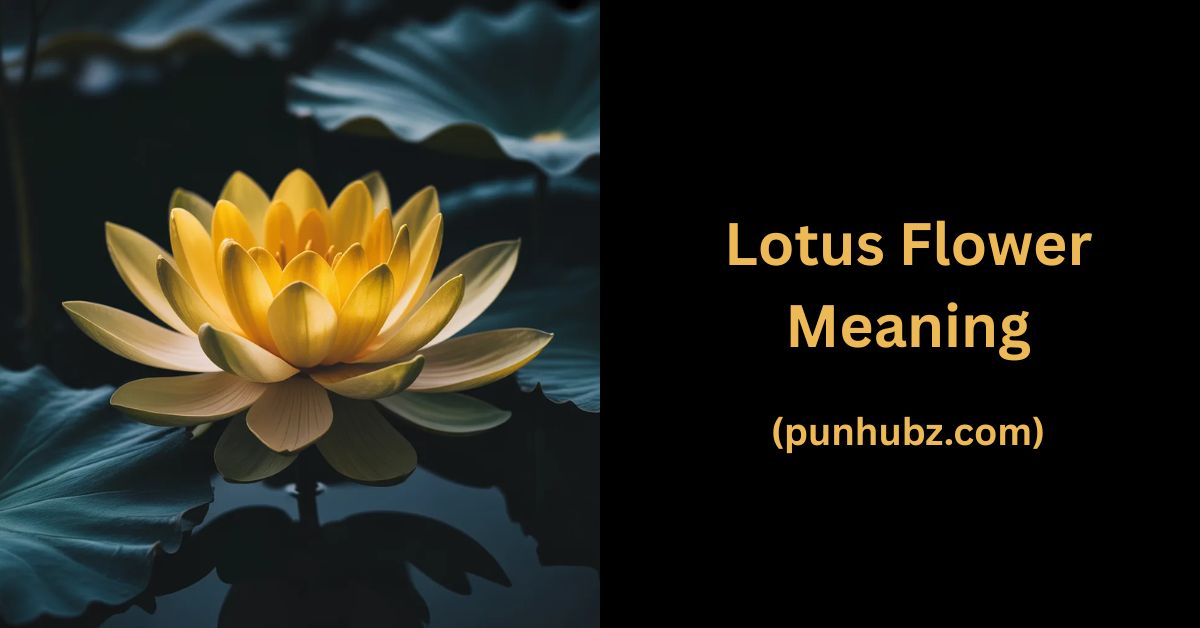
Lotus flower meaning is far more than just a symbol of beauty—it represents resilience, purity, and spiritual awakening. Rising gracefully from murky waters, the lotus inspires us to overcome challenges and embrace personal growth.
Across cultures and religions, its symbolism resonates deeply, reflecting renewal, enlightenment, and inner peace. Whether in meditation, art, or home décor, the lotus serves as a reminder of the power of transformation and the journey toward self-discovery.
Understanding the lotus flower’s meaning helps us connect with its timeless significance, making it a source of inspiration, mindfulness, and harmony in everyday life.
Lotus Flower Meaning & Symbolism
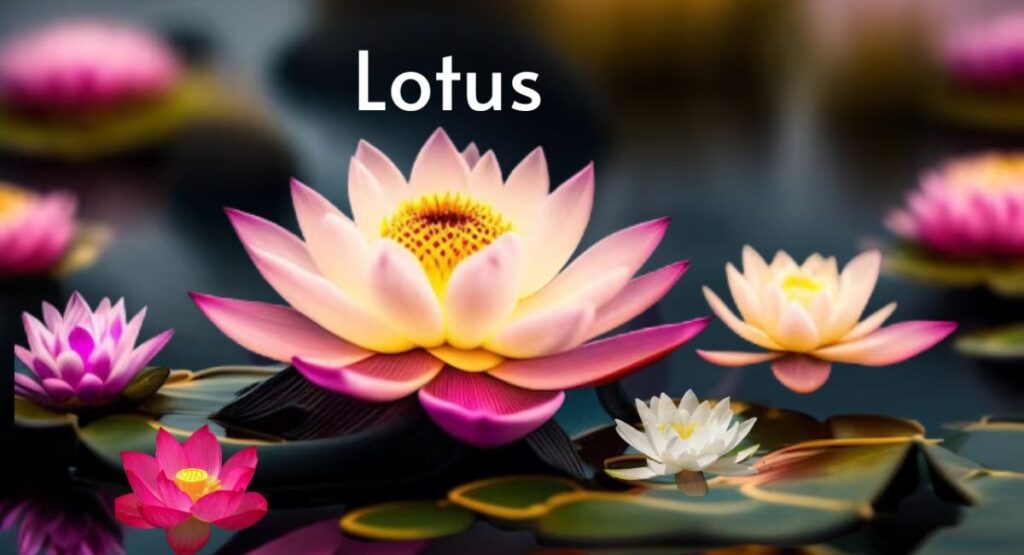
At its core, the lotus flower’s meaning centers on transformation. It represents the journey from darkness to clarity, from struggle to growth. Because the plant roots itself in mud but blooms above water, it symbolizes the possibility of rising above adversity without being tainted by it.
Unlike symbols tied to a single culture, the lotus has achieved near-universal recognition. Its ability to open and close daily also links it to cycles of rebirth, consciousness, and renewal. These biological traits have encouraged spiritual interpretations across time and place.
A Universal Symbol of Renewal, Transformation, and Spiritual Awakening
The lotus is not admired for perfection alone but for earned beauty. Its symbolism emphasizes effort, patience, and internal development rather than instant purity.
This makes it especially relevant in philosophical and psychological contexts, where growth is understood as gradual and often difficult.
In spiritual traditions, the lotus often represents awakening. Just as the flower opens toward the sun, human consciousness is believed to open toward truth, wisdom, or enlightenment.
This metaphor explains why the lotus appears beneath deities, saints, and enlightened figures across religious art.
What Are Lotus Flowers?
Botanically, lotus flowers belong to the genus Nelumbo, distinct from water lilies despite frequent confusion. The two most recognized species are Nelumbo nucifera, native to Asia, and Nelumbo lutea, found in North America.
Lotus plants thrive in shallow, muddy water and are known for their large, circular leaves and prominent seed pods.
Their ecological resilience supports the symbolic meanings attributed to them, reinforcing the connection between nature and metaphor.
All About Lotuses
Lotuses are aquatic perennials with remarkable adaptations. Their leaves repel water, preventing dirt from sticking, while their flowers rise well above the surface. These characteristics have fascinated scientists and philosophers alike.
Beyond aesthetics, lotuses contribute to ecosystems by stabilizing sediments and providing habitats for aquatic life. Their usefulness extends beyond symbolism, grounding their spiritual importance in practical reality.
Lotus Flower History & Insights
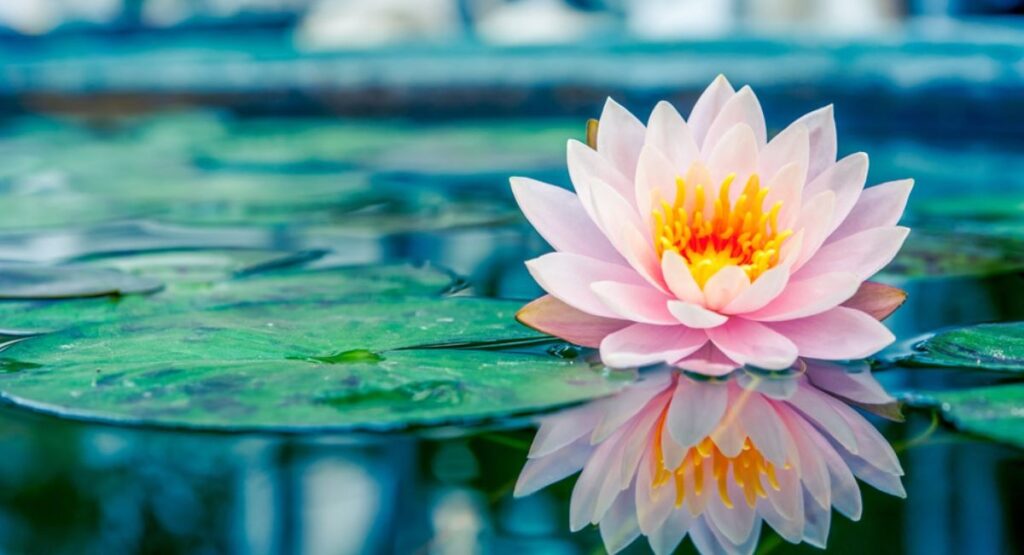
Historical records place the lotus among the earliest symbolic plants. Archaeological evidence from ancient Egypt, South Asia, and East Asia shows lotus imagery carved into temples, seals, and manuscripts.
The flower’s repeated appearance across civilizations suggests shared human concerns with renewal, morality, and transcendence. Unlike symbols imposed by conquest or ideology, lotus symbolism appears to have developed organically in multiple regions.
Lotus Flower Meaning Across Cultures
The lotus flower meaning across cultures reflects a shared human understanding of growth, purity, and transformation.
Despite emerging from muddy water, the lotus blooms clean and radiant, a natural process that has inspired symbolic interpretations worldwide.
Across civilizations, the flower has represented the idea that beauty and wisdom can arise from hardship, making it a powerful cross-cultural symbol rather than a decorative motif.
Ancient Egypt
In ancient Egyptian cosmology, the lotus symbolized creation and rebirth. It was believed that the sun god emerged from a lotus rising from primordial waters. As a result, the flower became associated with life cycles, resurrection, and divine order.
Lotus imagery was common in tombs and temples, reinforcing beliefs in the afterlife and the soul’s renewal beyond death.
Chinese Culture
In Chinese thought, the lotus represents moral integrity and harmony. Confucian philosophy praised the lotus for growing in mud without becoming polluted, making it a metaphor for ethical strength.
The flower is also linked to marital harmony and feminine grace, appearing frequently in poetry, painting, and decorative arts.
What Do Lotus Flowers Mean in Religion?
Religion plays a central role in shaping the lotus flower meaning, particularly in South and East Asia.
Hinduism
The lotus holds deep spiritual significance in Hinduism, symbolizing purity, divine beauty, and spiritual authority. It is closely linked to major deities and sacred rituals, illustrating both personal growth and cosmic order.
- The lotus is associated with creation myths, representing the birth of the universe from cosmic waters.
- Deities like Lakshmi, Saraswati, and Vishnu are often depicted seated on a lotus, symbolizing purity and spiritual authority.
- The lotus teaches detachment, growing in mud yet remaining untouched, guiding humans to live without attachment to material desires.
- In yoga and meditation, it symbolizes the crown chakra, representing ultimate spiritual awakening.
Buddhism
In Buddhism, the lotus represents enlightenment and spiritual purity. It serves as a metaphor for rising above worldly suffering and achieving spiritual awakening.
- The lotus signifies purity, remaining untainted despite the challenges of life.
- It is linked to mindfulness, meditation, and moral discipline in Buddhist teachings.
- Different lotus colors carry specific meanings: white for mental purity, pink for Buddha, red for compassion, blue for wisdom, and purple for mysticism.
- It illustrates the soul’s journey from ignorance (mud) to enlightenment (blooming flower).
Christianity
Although less central, the lotus has been incorporated in some Christian traditions as a symbol of purity, renewal, and resurrection.
- It symbolizes resurrection, paralleling Christ’s triumph over death.
- Appears in Eastern Christian iconography representing divine grace and spiritual purity.
- Its cycle of blooming and closing mirrors renewal and new life, emphasizing hope and rebirth.
- Sometimes used as an artistic substitute for the lily, symbolizing virtue and spiritual growth.
The Lotus Flower Meaning in India
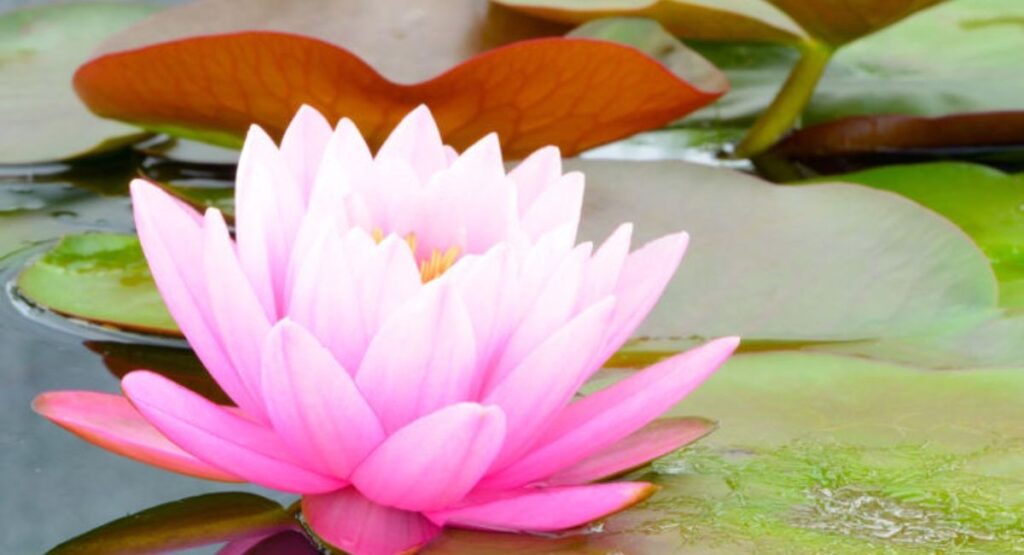
In India, the lotus holds both spiritual and national significance. It appears in sacred texts, temple architecture, and political symbolism. The flower embodies satva, purity of mind and intention.
Its prominence reflects Indian philosophy’s emphasis on inner growth despite external challenges. The lotus thus functions as both a religious and cultural emblem.
What Do Different Lotus Flower Colours Represent?
Different lotus colors refine the overall symbolism. The table below summarizes common interpretations.
| Lotus Color | Symbolic Meaning |
| White Lotus | Purity, spiritual perfection, mental clarity |
| Pink Lotus | Divine enlightenment, sacred leadership |
| Red Lotus | Love, compassion, emotional depth |
| Blue Lotus | Wisdom, intellect, control over desire |
| Purple Lotus | Mysticism, esoteric knowledge, spiritual power |
White Lotus
The white lotus represents inner peace, mental clarity, and spiritual purity. It is often associated with meditation, mindfulness, and the purification of thoughts and intentions.
Pink Lotus
The pink lotus is considered the most sacred in Buddhism and is directly linked to the Buddha. It symbolizes supreme enlightenment, divine presence, and the highest level of spiritual awakening.
Red Lotus
The red lotus reflects the heart and human emotions such as love, compassion, and passion. It is commonly connected to emotional balance, empathy, and deep personal connections.
Blue Lotus
The blue lotus symbolizes wisdom, knowledge, and intellectual clarity. It represents the victory of the mind and spiritual insight over ignorance and material attachments.
Purple Lotus
The purple lotus is associated with mystery, mysticism, and advanced spiritual understanding. It often represents esoteric knowledge and the deeper stages of spiritual growth.
Lotuses vs Water Lilies: What’s the Difference?
Lotuses and water lilies may look similar, but they are distinct plants with unique characteristics:
| Feature | Lotus | Water Lily |
| Family | Nelumbonaceae | Nymphaeaceae |
| Growth | Roots in mud, stems & flowers rise above water | Float on water surface with stems beneath |
| Leaf Shape | Large, circular, often held above water | Rounded, usually floating on water |
| Flower Colors | Mostly white, pink, red, yellow | Wide range: white, pink, red, yellow, orange, purple, blue |
| Cultural Significance | Sacred in Hinduism, Buddhism, Ancient Egypt | Less religious significance, ornamental |
| Size | Generally larger and more elegant | Smaller than lotuses |
| Unique Feature | Leaves repel water (“lotus effect”) | No self-cleaning leaf effect |
Lotuses are often seen as symbols of purity and spiritual growth, while water lilies are admired mainly for their aesthetic beauty.
This distinction matters because lotus symbolism depends heavily on its physical ability to rise above water.
What Is the “Lotus Effect”?
The lotus effect refers to the plant’s self-cleaning ability. Microscopic structures on its leaves repel water and dirt, keeping them clean.
This phenomenon has inspired innovations in material science, architecture, and product design. Symbolically, it reinforces ideas of resilience and inner purity, linking science with philosophy.
Lotus Flowers in Medicine and Cuisine
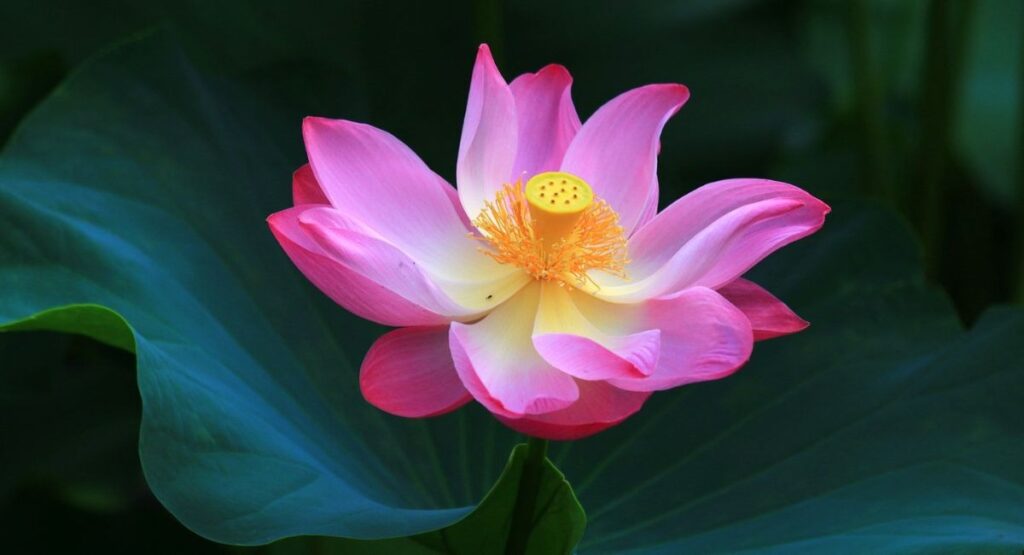
Lotus roots, seeds, and leaves are widely used in Asian medicine and cooking. Traditional systems attribute digestive, calming, and anti-inflammatory properties to the plant.
Culinary use further grounds the lotus in daily life, showing that its significance is not limited to abstract symbolism.
5 Fun Facts About Lotus Flowers
Lotus flowers are not only spiritually significant but also biologically remarkable. Here are five fascinating facts that showcase their unique traits.
Thermoregulation Abilities
Lotus flowers have the remarkable ability to regulate their internal temperature, maintaining a stable warmth even when surrounding conditions fluctuate. This thermoregulation helps attract pollinators like beetles by providing a comfortable, warm environment inside the bloom.
Exceptional Seed Longevity
Lotus seeds are among the longest-living seeds in the plant kingdom. Some seeds have been known to remain dormant for over 1,000 years and still germinate when conditions are favorable, showcasing incredible resilience and survival ability.
Self-Cleaning Leaves
The lotus effect allows the leaves to repel water and dirt naturally. Tiny microscopic structures on the leaf surface prevent contaminants from sticking, enabling the plant to remain clean despite growing in muddy or murky waters.
National Symbolism
The lotus holds cultural and national significance in India and Vietnam. In India, it symbolizes purity and spiritual enlightenment, while in Vietnam, it represents resilience, inner strength, and harmony with nature.
Unique Flowering Cycle
Lotus flowers follow a unique daily rhythm, opening with the first light of morning and closing by night.
This cycle symbolizes renewal, awareness, and the natural rhythms of life, often interpreted as a metaphor for mindfulness and spiritual awakening.
The Lotus Flower in Mindfulness, Yoga and Meditation
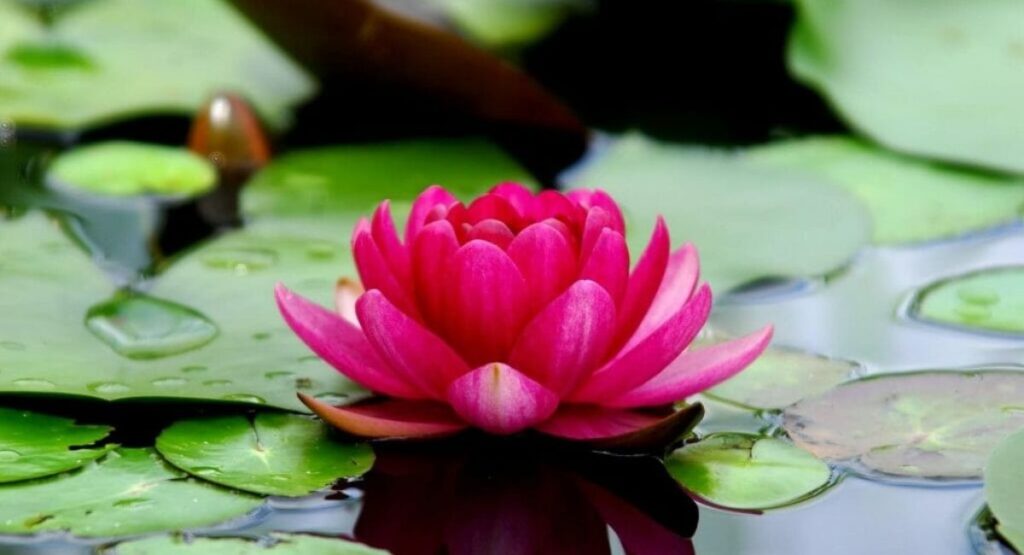
In modern wellness practices, the lotus symbolizes balance and focus. The lotus pose in yoga represents stability and alignment, while meditation imagery often uses the flower as a visual anchor for calm awareness.
Its continued use reflects the symbol’s adaptability to contemporary psychological needs.
- Symbolizes inner peace, balance, and spiritual growth in mindfulness and meditation practices.
- In yoga, the lotus position (Padmasana) mirrors the flower’s stability, promoting focus, calmness, and proper posture.
- Acts as a visual guide for meditators, reflecting the journey of rising above challenges while staying serene.
- Encourages detachment from negativity and cultivation of self-awareness and emotional equilibrium.
- Integrating the lotus in meditation spaces reminds individuals of patience, resilience, and pursuit of higher consciousness.
Using the Lotus Flower Meaning in Your Home
Incorporating lotus flowers into your home décor can bring a sense of peace, purity, and spiritual balance.
Whether through fresh blooms, artwork, or lotus-inspired accents, these elements serve as gentle reminders of resilience, personal growth, and mindfulness.
Placing a lotus motif in meditation areas, living spaces, or bedrooms can enhance harmony and inspire a calm, reflective atmosphere throughout your home.
The Lotus as a Source of Pattern Inspiration
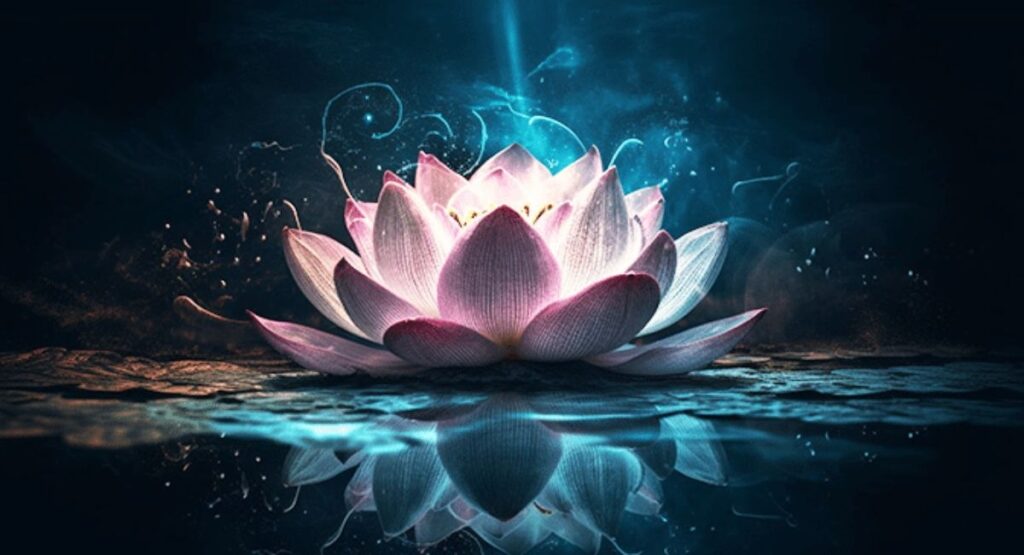
The elegant symmetry and natural geometry of the lotus flower have inspired patterns in art, textiles, and design for centuries.
From intricate mandalas and architectural motifs to modern home décor and fashion, the lotus’s form symbolizes balance, beauty, and spiritual harmony, making it a timeless source of creative inspiration.
The lotus’s layered petals and radial symmetry make it a favorite motif in graphic design, wallpapers, and fabric prints. Its representation of purity and enlightenment often finds its way into spiritual art, jewelry designs, and decorative objects.
Designers and artists use the lotus to evoke calmness, elegance, and a connection to nature, blending aesthetic appeal with symbolic meaning.
Meet Our Lotus Print Fabrics
Our lotus print fabrics are designed to bring elegance and inspiration into your everyday life. Inspired by the natural beauty of lotus flowers, these fabrics are versatile and meaningful.
Key Features:
- Elegant Designs: Intricate lotus patterns that add sophistication to any project.
- Variety of Colors: Available in multiple shades to suit different tastes and décor styles.
- Versatile Use: Perfect for clothing, home décor, accessories, and craft projects.
- Symbolic Touch: Brings the meaning of purity, growth, and serenity into your creations.
- High-Quality Material: Durable and comfortable, ideal for both fashion and décor purposes.
See Our Lotus Print Fabric Collections in Real Homes
When used subtly, lotus prints enhance visual balance and emotional comfort, aligning symbolism with lived experience.
Experience how lotus-inspired fabrics transform living spaces with elegance and serenity. Our collections have been used by interior designers and homeowners to bring a touch of nature, mindfulness, and cultural symbolism into real homes.
Highlights of Using Lotus Print Fabrics:
- Living Rooms: Adds a calming and sophisticated aesthetic to sofas, cushions, and curtains.
- Bedrooms: Creates a serene and peaceful environment with lotus-themed bedspreads and drapes.
- Dining Areas: Table runners, chair covers, and placemats feature elegant lotus patterns to enhance gatherings.
- Creative Corners: Perfect for DIY projects, crafts, and accent pieces that reflect personal style.
- Harmonious Spaces: Brings symbolic beauty and a sense of mindfulness, promoting balance and positive energy.
Lotus Flowers in World Cultures and Traditions
Beyond Asia, the lotus appears in global folklore as a sign of renewal, particularly in water-centered civilizations. Its adaptability explains its wide cultural reach.
| Culture/Region | Symbolism & Significance | Usage & Representation |
| Ancient Egypt | Creation, rebirth, eternal life | Depicted in art, tombs, hieroglyphs; associated with gods and Pharaohs |
| China | Purity, perseverance, moral integrity, harmony | Featured in literature, poetry, weddings, art, and temple decorations |
| India | Spiritual awakening, divine beauty, self-realization | Central in Hinduism & Buddhism; seen in temples, religious rituals, and meditation |
| Southeast Asia | Devotion, purity, enlightenment | Used in festivals, religious ceremonies, and temple architecture |
| Japan | Mindfulness, balance, fleeting beauty of life | Incorporated in Zen gardens, traditional art, and cultural practices |
This table highlights how the lotus transcends regions while maintaining its symbolic meanings of purity, resilience, and spiritual growth.
Higan: Dancing on the Far Shore
Higan is a Japanese Buddhist tradition observed during the spring and autumn equinoxes. The term “Higan” literally means “the far shore,” symbolizing the spiritual journey from the suffering of the earthly world to enlightenment.
During this period, people pay respects to their ancestors, visit family graves, and reflect on impermanence and the cycle of life.
The lotus, rising pure from the mud, often serves as a visual metaphor for this journey, reminding participants of resilience, spiritual growth, and the pursuit of balance between the physical and spiritual realms.
Gozan Okuribi: Sending Off the Spirits Until Next Obon
Gozan Okuribi, also known as the “Five Mountain Send-Off Fires,” is a traditional Japanese festival held in Kyoto at the end of Obon, a period honoring deceased ancestors.
Giant bonfires are lit on five mountains surrounding the city to guide ancestral spirits back to the spirit world, marking the conclusion of their visit. The festival symbolizes respect, remembrance, and the transient nature of life.
The imagery of the lotus flower, emerging pure from the mud, resonates with this practice, representing spiritual guidance, renewal, and the journey of the soul toward peace and enlightenment.
Spring Gardening
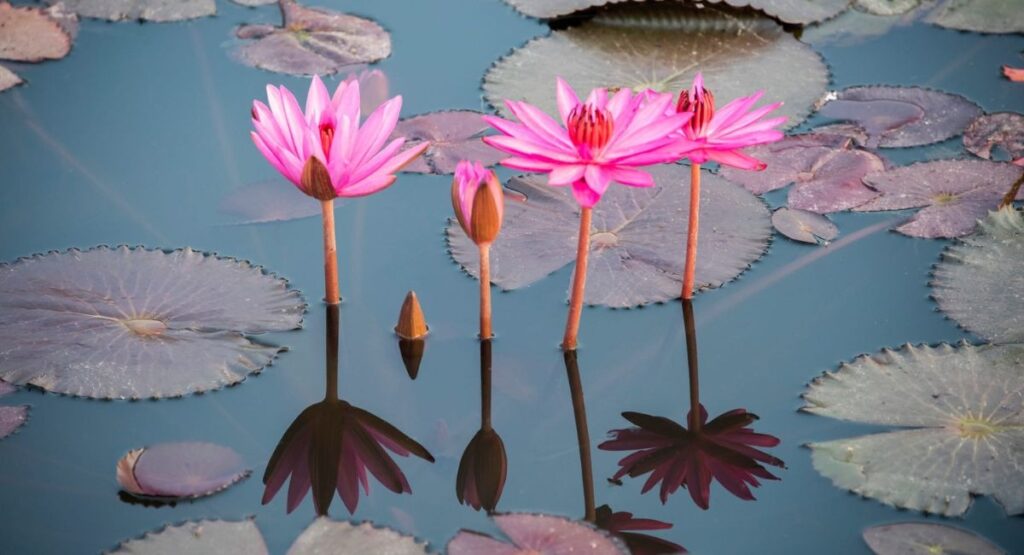
Spring is the perfect season to embrace gardening, symbolizing growth, renewal, and fresh beginnings. Planting lotus flowers during this time allows gardeners to connect with nature and enjoy their stunning blooms throughout the warmer months.
Lotus plants thrive in shallow ponds or water gardens, making them ideal for adding serenity and elegance to outdoor spaces. Incorporating lotuses not only enhances the aesthetic appeal but also brings a sense of mindfulness and tranquility to your garden.
Regular care, sunlight, and nutrient-rich water ensure healthy growth and vibrant blossoms.
FAQ’s
What does a lotus flower symbolize?
A lotus flower symbolizes purity, spiritual awakening, resilience, and the ability to rise above challenges.
Is lotus a symbol of love?
Yes, particularly the red lotus represents love, devotion, and heartfelt connections.
What does a lotus flower tattoo represent?
A lotus tattoo signifies growth, enlightenment, overcoming struggles, and personal transformation.
What does the lotus flower mean in mental health?
It represents resilience, inner peace, and the journey toward emotional healing and self-discovery.
What does the lotus flower mean in Islam?
In Islamic art, the lotus often symbolizes purity, divine beauty, and spiritual enlightenment.
Is lotus a lucky symbol?
Yes, the lotus is considered lucky, symbolizing renewal, prosperity, and positive energy.
Why is lotus so special?
The lotus is special due to its unique ability to bloom beautifully from muddy waters, symbolizing purity and spiritual growth.
What is the lotus position for love?
The lotus position in yoga promotes openness, balance, and harmony, encouraging emotional and spiritual connection.
Which flower defines love?
While roses are the most common, the red lotus also defines deep, pure, and spiritual love.
Conclusion
The lotus flower’s meaning embodies much more than delicate beauty—it is a timeless symbol of resilience, spiritual growth, and transformation. From rising above muddy waters to bloom untouched, the lotus inspires perseverance and inner strength.
Across cultures, religions, and traditions, its significance reflects purity, enlightenment, and personal evolution. Each colour and form carries unique interpretations, enriching its spiritual and emotional value.
Embracing the lotus flower’s meaning in daily life—through meditation, décor, or mindful reflection—reminds us to stay true to ourselves, rise above challenges, and cultivate harmony. Truly, the lotus remains a powerful emblem of hope, renewal, and eternal inspiration.
