
Amethyst, with its rich purple hues, is more than just a beautiful gemstone; it is a symbol of deep spiritual power and healing. The amethyst spiritual meaning extends across cultures and centuries, representing protection, clarity, and inner peace.
From ancient Greeks who believed it prevented intoxication to early Christians who saw it as a symbol of purity, this gem has inspired fascination and reverence.
Today, amethyst is cherished in meditation, energy work, and holistic practices for its ability to soothe the mind, balance emotions, and enhance intuition.Whether worn as jewelry or placed in sacred spaces, it continues to guide and empower spiritually minded individuals.
Key Takeaways
- Amethyst has been valued for thousands of years for its protective, calming, and spiritually uplifting qualities.
- Its purple color is linked to clarity, intuition, and emotional balance across cultures.
- The stone supports meditation, energy work, sleep, and personal transformation.
- Authentic amethyst is affordable, widely available, and easy to care for with simple cleansing practices.
Short Summary
Amethyst is a purple variety of quartz known for its spiritual symbolism, emotional benefits, and long cultural history. It has been used as a protective stone, a meditation aid, and a symbol of wisdom since ancient times.
Today, people value it for emotional balance, stress relief, and intuitive growth. This guide explores its meaning, origins, varieties, uses, and practical care.
Historical Significance
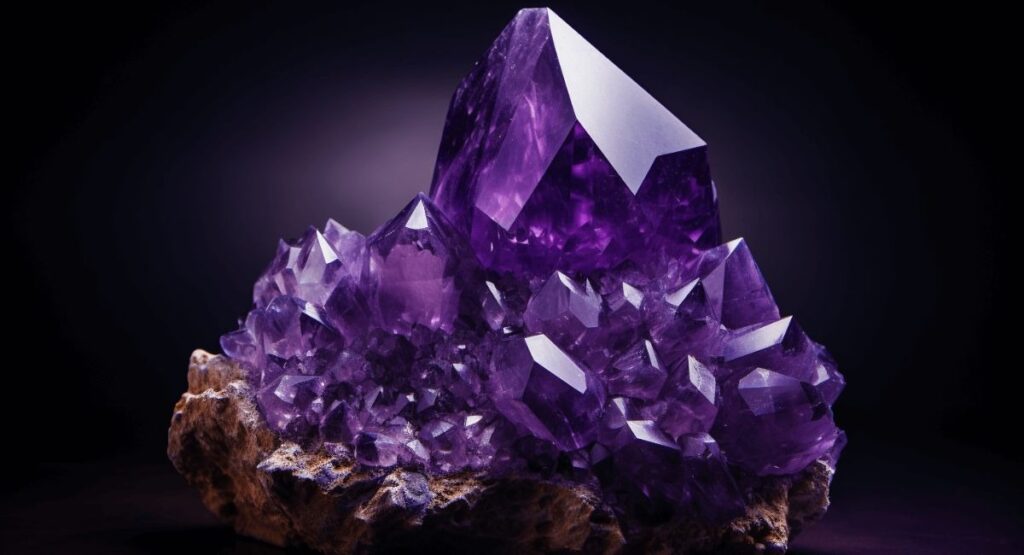
Amethyst has been treasured for centuries for its protective and spiritual qualities, appearing in ancient Egyptian, Greek, and Roman cultures. It was used in jewelry, amulets, and religious artifacts to symbolize purity, wisdom, and sobriety.
Ancient Uses and Lore
Amethyst held significance in Greek, Roman, Egyptian, and early Christian cultures.Greeks used it to prevent intoxication, while Egyptians included it in burial jewelry for protection.Early Christians saw it as a symbol of purity and spiritual authority, often in bishops’ rings.
Amethyst in Cultural Contexts
Across cultures, amethyst symbolized dignity, clarity, and inner strength.
In medieval Europe, it signified nobility, while in Eastern traditions, it represented mental discipline and spiritual refinement.
Understanding Amethyst: The Purple Gemstone
Amethyst is a violet variety of quartz, valued for its striking color and clarity. It forms in geodes and volcanic rocks, found in locations like Brazil, Uruguay, and Zambia.
The Color Spectrum of Amethyst
Amethyst ranges from pale lavender to deep violet. The depth of color depends on iron content and geological conditions.
Here is a simple comparison:
| Color Shade | Meaning | Common Use |
| Light Lavender | Calmness, softness, emotional ease | Sleep, relaxation |
| Medium Purple | Balance, intuition | Meditation, décor |
| Deep Violet | Strength, spiritual insight | Rituals, jewelry |
Geological Formation
Amethyst forms in silica-rich environments, especially volcanic rocks and geodes. Its purple color appears when iron impurities experience natural radiation over long periods.
The process is slow and requires specific environmental conditions, which explains why high-quality stones are not found everywhere.
Amethyst Origins and Locations
Major sources include Brazil, Uruguay, Zambia, Madagascar, Russia, and parts of the United States.
- Brazil produces large geodes with medium to deep purple color.
- Uruguay is known for dark, saturated amethyst with high clarity.
- Zambia often yields deep violet stones with bluish undertones.
Physical Properties of Amethyst
- Mineral class: Quartz
- Hardness: 7 on the Mohs scale
- Luster: Vitreous
- Crystal system: Hexagonal
These properties make amethyst durable enough for everyday wear.
Amethyst Varieties and Related Stones
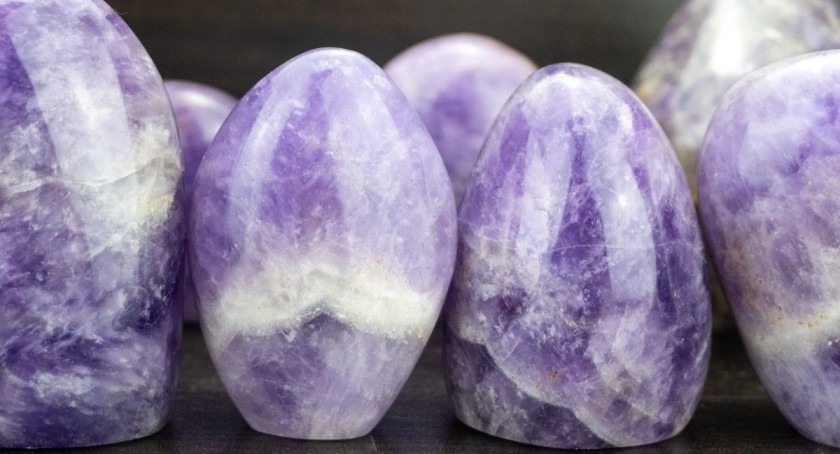
Amethyst comes in a variety of shades from deep purple to light lavender, with types like Chevron and Siberian amethyst. It pairs well with stones like clear quartz, citrine, and smoky quartz.
Types of Amethyst
Some unique varieties include:
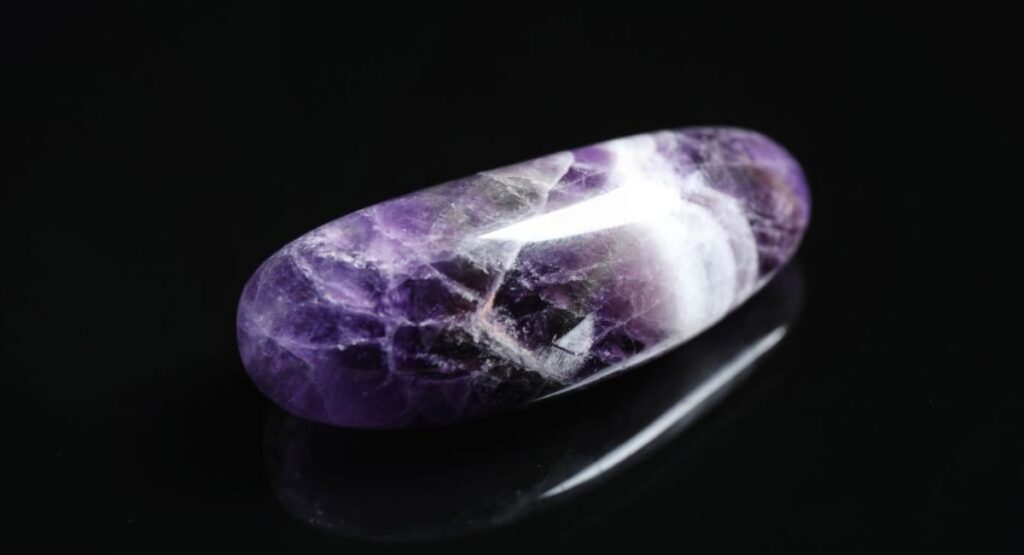
- Chevron amethyst: Purple and white banded patterns.
- Ametrine: A natural blend of amethyst and citrine.
- Rose de France: Light lavender tones.
- Brandberg amethyst: Rare, clear crystals with unique inclusions.
Similar and Complementary Gemstones
Stones often paired with or confused for amethyst include:
- Lepidolite: For emotional soothing.
- Fluorite: For mental clarity.
- Citrine: For energy and confidence.
- Purple fluorite or sapphire: Sometimes mistaken for deep amethyst.
Spiritual and Healing Properties
Amethyst is believed to balance energy, calm the mind, and support emotional healing. It also aids spiritual growth and enhances intuition.
Energy Work and Chakras
Amethyst is primarily linked to the third eye chakra and the crown chakra. It is used to:
- Support intuitive insight
- Enhance clarity in decision-making
- Deepen meditation
- Strengthen connection to higher awareness
Emotional and Metaphysical Benefits
People often use amethyst to manage emotional stress and cultivate self-awareness. Common benefits include:
- Calming anxious thoughts
- Creating emotional stability
- Soothing anger or irritability
- Helping with mental focus
How Amethyst Symbolism Connects to Spirituality?
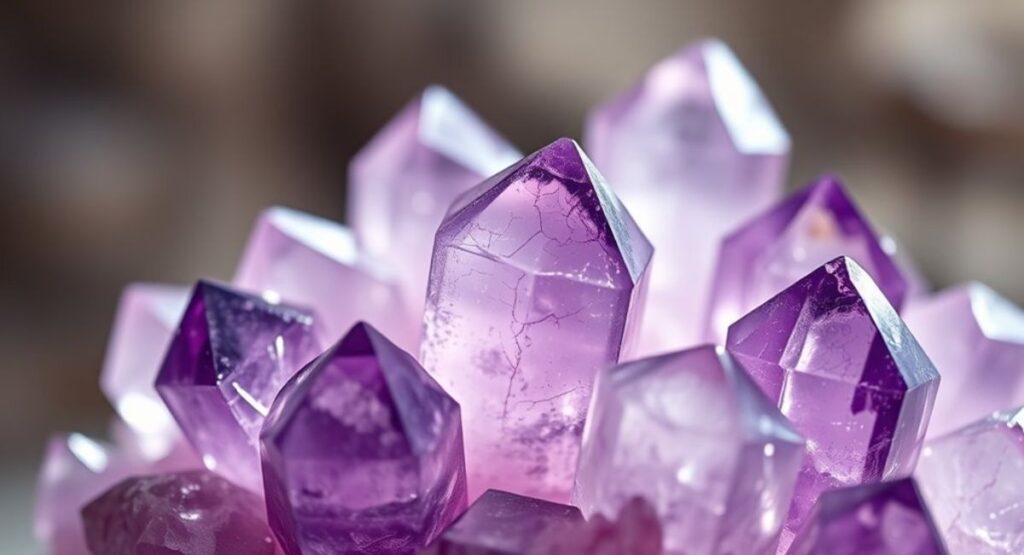
Its purple color has long been linked to higher thought, purity, and inner transformation. Ancient societies viewed the stone as a bridge between physical and spiritual experience. That symbolic connection continues today in rituals, healing practices, and meditation.
Amethyst’s Role in Spiritual Practices
Amethyst is used in many spiritual settings:
- Altar stones
- Prayer beads
- Meditation grids
- Protective charms
Its presence is believed to create a calm atmosphere that supports introspection and emotional healing.
Practical Applications of Amethyst
Amethyst enhances jewelry, home decor, and meditation practices.
Amethyst in Jewelry
Jewelry allows people to carry amethyst throughout daily life. Rings, pendants, earrings, and bracelets are common. Many prefer it for pieces meant to support emotional balance or intuitive work.
Everyday Uses and Decor
Amethyst geodes, clusters, and polished stones are placed in homes to create a peaceful environment. Bedrooms, offices, and meditation spaces often include amethyst to encourage calmness.
Meditation and Amethyst
During meditation, amethyst may help slow mental chatter and bring focus. People often hold a stone, place it on the forehead, or keep it near their meditation cushion. It supports grounding while still encouraging inner clarity.
Physical and Emotional Benefits
Amethyst supports mental clarity, emotional balance, and overall well-being.
Mind and Body Wellness
Although not a medical treatment, amethyst is commonly associated with:
- Better sleep quality
- Lowered stress
- Reduced emotional fatigue
- A sense of mental relief
Personal Growth and Relationships
Amethyst is seen as a stone that encourages honesty, emotional maturity, and self-reflection. These qualities support healthier relationships and more balanced communication.
Amethyst and Associated Practices
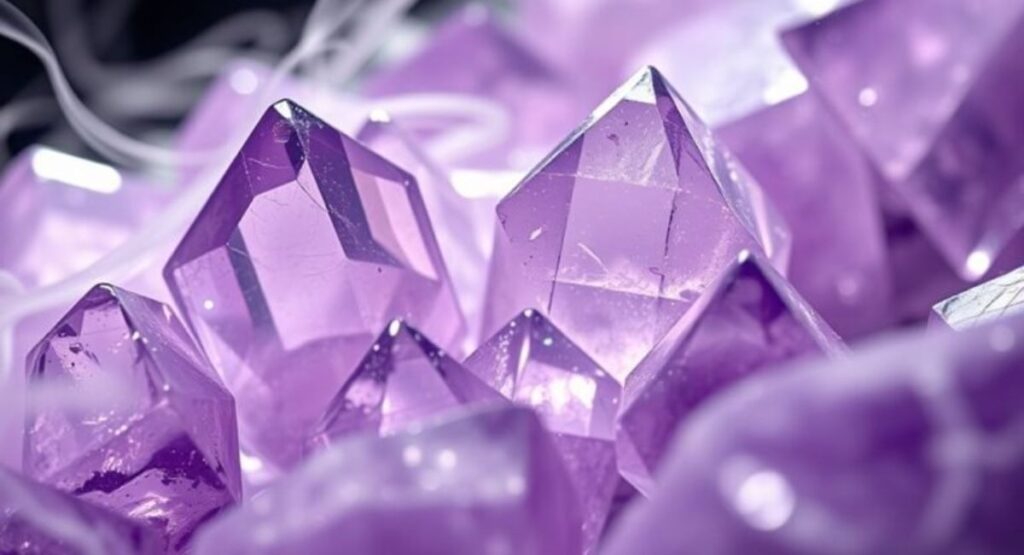
Used in meditation, rituals, and folklore, amethyst enhances spiritual awareness and protection.
Meditative and Ritual Uses
Amethyst appears in spiritual rituals that aim to purify a space or enhance emotional clarity. It is used in sound healing, moon rituals, and energy alignment practices.
Folklore and Mythology
Many legends connect amethyst to protection. Greek myths tied it to sobriety, while medieval stories linked it to courage and wisdom. These tales highlight the stone’s perceived power to guard the mind and spirit.
Caring for Your Amethyst
Cleanse, charge, and store your amethyst carefully to preserve its beauty and energy.
Cleansing and Charging
You can maintain amethyst’s energy with simple methods:
- Placing it in moonlight
- Using incense smoke
- Setting it near other cleansing stones like selenite
Storing and Protecting Your Amethyst
Store amethyst in a soft pouch or lined box to prevent scratches. Keep it separate from harder stones. Avoid harsh chemicals and extreme temperatures to preserve its clarity and color.
Combining Amethyst with Other Crystals
Amethyst pairs well with stones that support balance and focus:
- Clear quartz for clarity
- Rose quartz for emotional comfort
- Labradorite for intuition
- Black tourmaline for grounding
These combinations create balanced energy sets often used in meditation or grid work.
Amethyst in Astrology
Amethyst is the February birthstone and supports clarity, intuition, and emotional balance. It resonates most with Pisces and Aquarius.
Birthstone and Zodiac Connections
Amethyst is the birthstone for February and is associated with Pisces and to some extent Aquarius. In astrology, the stone encourages introspection, intuition, and emotional peace. It aligns well with water signs due to its calming nature.
Identifying Authentic Amethyst
Authentic amethyst has consistent coloration, natural zoning, and a hardness of 7. Fake stones may show:
- Glassy surface scratches
- Air bubbles
- Uniform color with no natural banding
Reliable testing methods include light examination and scratch testing, but gemstone identification should be done with care.
The Value and Price of Amethyst
Amethyst is generally affordable. Prices vary by color depth, clarity, and country of origin.
Typical pricing:
| Quality | Appearance | Price Range |
| Low | Very pale or uneven color | Low |
| Medium | Clear, balanced purple | Moderate |
| High | Deep violet, uniform, high clarity | Higher |
Large geodes and rare varieties cost more.
Where to Purchase Amethyst
You can find amethyst at:
- Reputable crystal shops
- Gem and mineral expos
- Online mineral retailers
Look for sellers who provide origin information and clear images, especially for higher-value pieces.
Addressing Common Concerns
Some people worry about fading color, authenticity, or mixing crystals. Amethyst is stable when kept away from direct sunlight and is easy to verify with basic visual checks. Combining it with other stones is generally safe, as its energy is gentle and supportive.
FAQ’s
What does amethyst do spiritually?
It promotes spiritual growth, clarity, and connection to higher consciousness.
What can amethyst protect you from?
It protects against negative energy, stress, and harmful influences.
What does the Bible say about amethyst?
Amethyst is mentioned as a symbol of wisdom, humility, and spiritual insight.
Which chakra does amethyst represent?
It is associated with the third eye and crown chakras, enhancing intuition and spiritual awareness.
What do amethysts attract?
They attract peace, clarity, protection, and positive energy.
Who should not wear amethyst?
People who are highly sensitive to spiritual energy should use it cautiously.
Which god likes amethyst?
In Greek mythology, Bacchus favored amethyst for its protective qualities against intoxication.
Which zodiac is amethyst for?
Amethyst is linked to Pisces and is the February birthstone.
How to activate amethyst?
Cleansing with water, sunlight, or moonlight and setting intentions activates its energy.
Conclusion
Amethyst has captivated humans for centuries, not only for its striking purple color but also for its profound amethyst spiritual meaning.
Revered across civilizations, it symbolizes clarity, protection, and inner peace. Ancient Greeks believed amethyst prevented intoxication, while Egyptians used it in amulets for protection and spiritual guidance.
Early Christians valued it for its association with purity and divine connection. Today, amethyst is widely embraced in meditation, chakra balancing, and energy healing practices. Its calming vibrations help release stress, enhance intuition, and foster emotional stability.
Whether worn as jewelry or kept in personal spaces, this gemstone continues to inspire spiritual growth and holistic well-being.
